
Journey Time Reduction Through Permanent Speed Restriction Review
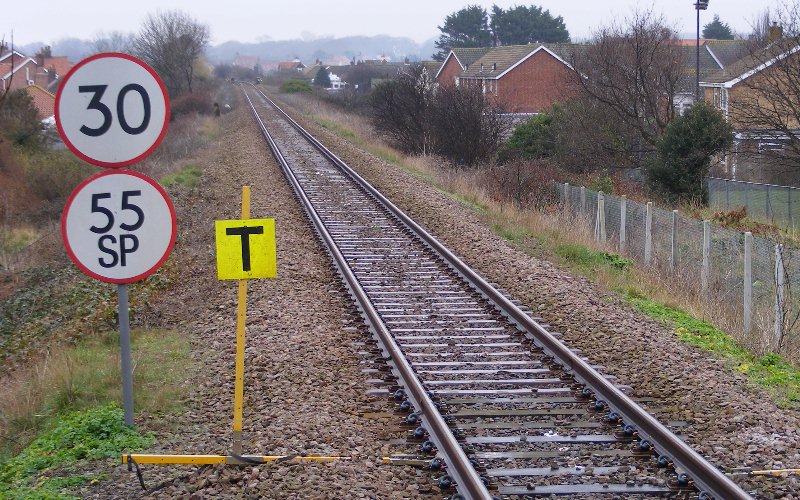
On behalf of a rail infrastructure owner, we worked with in-house track, signal, and structural engineers as well as an engineering consultant to perform a review of all permanent speed restrictions on a number of high ridership corridors. We reviewed operating documents to identify civil speed restrictions throughout the study area rail network, and by using a train performance calculator, we determined those with the most impact to journey time for non-stop express trains and for local trains. Based on the result of the traction performance study, we arranged meetings with the relevant engineering areas to discover and document the reasons for each civil speed restriction. The engineering consultant provided the top speed potential given the existing track geometry and use of exceptional cant deficiency (underbalance). On occasions, multiple constraints were discovered as having contributed to one speed restriction (e.g. clearance issues or track geometry may restrict maximum authorized speeds, but even if those were removed through e.g. track realignment and resurfacing, spacing between distant and home signals may not permit speeds to be raised above a certain level unless additional work was done to relocate existing signal heads, which could trigger a signal system redesign in high density areas.) Based on the engineering findings, order-of-magnitude cost estimates for modifying the infrastructure constraints, and number of trains affected by each restriction, we produced a prioritized list of schemes to improve journey time performance in specific corridors. This programme of speed improvements formed an input to the national route utilization strategy and a basis for negotiating cost sharing agreements with train operating companies.