
Inferring Commuter Rail Ridership from Ticket Sales Data
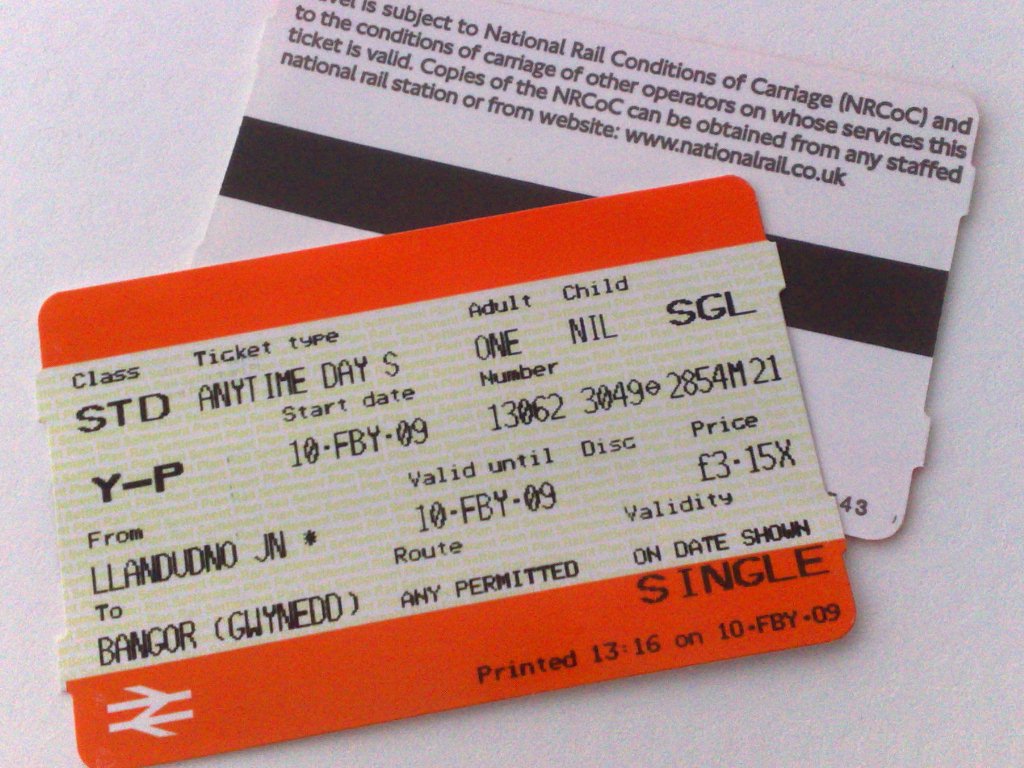 We were tasked by a major commuter rail operator to analyze ticket sales data to determine ridership with origin-destination and time-of-day detail. The operator had four distinct sales channels: mobile ticketing, paper ticket vending machines, monthly direct-mail ticket subscriptions, and on-board sales by train crew. The mobile ticket platform generated the most extensive data, including an activation record each time a periodic pass product or multi-ride carnet was activated. However, this data has a significant sync lag and has only 40% of total market share. The other sales channels provide only point-of-sale data and not point-of-use. We developed a set of working assumptions and built a model that enabled the statistical utilization patterns implied by the mobile ticket users to be applied to the data generated by other sales channels, thereby providing a daily estimate of fifteen-minute resolution ridership demand by origin-destination pairs, a high level of granularity for service planning analysis. However, due to customer-held inventory of multiple-ride paper tickets, previous three months’ worth of paper ticket sales data was necessary to generate ridership estimates for a single day.
Related Publications/Presentations:
State of Good Repair Resource Requirements Assessment
 On behalf of a major regional passenger rail operator, as part of ongoing efforts to rightsize the Maintenance of Way (MOW) workforce, we led a team of production planners and analysts to conduct a zero-based budget assessment in all major MOW areas at the maintenance headquarters, gang, shift, and craft levels. In this study, we enumerated each railway infrastructure system that must be maintained by MOW personnel, including periodic and preventative (FRA, FTA, and non-regulatory) maintenance plans for each system, and determine the repair maintenance workload based on both historical trouble ticket data as well as asset quantities and probabilities of failure. We also included major repair workloads for such unforeseen situations as cable degradation, grade crossing accidents, long-term concrete and steel degradation, and interactions between asset renewal activities in the C&S, Track, and Power depts. The study recommended changes in personnel strength in a number of key crafts at several locations, to reduce overtime requirements, ensure that major project backlogs can be addressed in an efficient manner, and to provide preventative maintenance for new assets expected to be commissioned following major capital investment projects.
Related Publications/Presentations:
Expediting Capital Project Completion Through Root Cause Identification
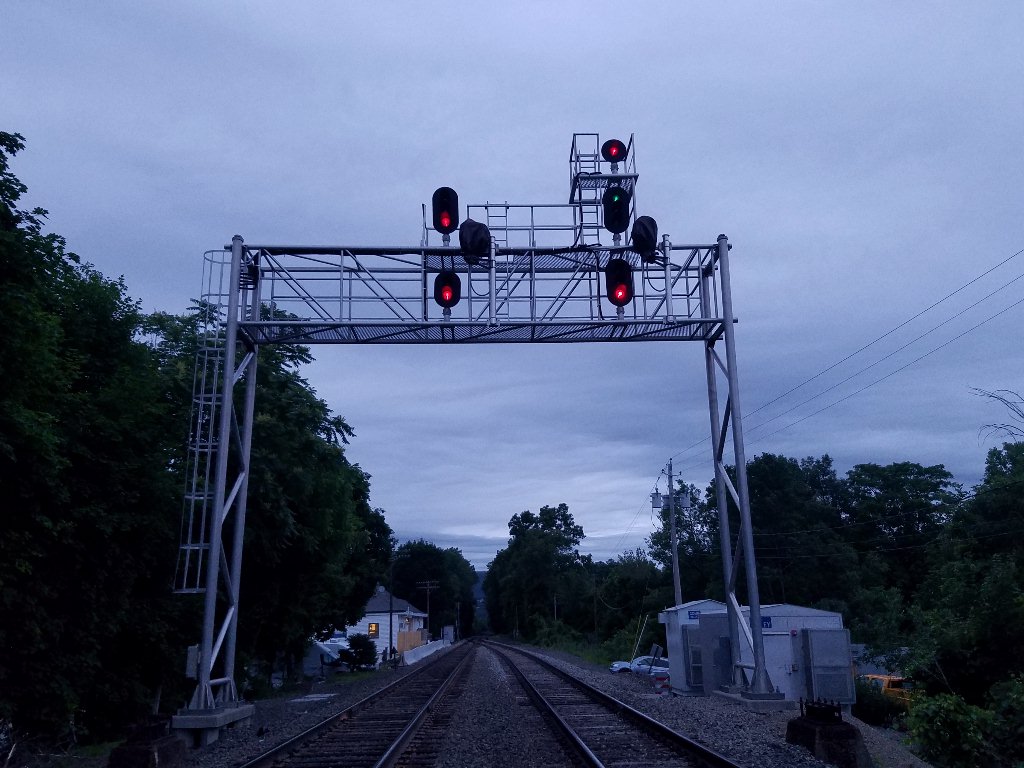 On behalf of a major commuter railway, we performed a systematic study to discover the root causes of project schedule delays associated with three major Capital Projects: upgrade of a wayside signal system on an entire line, installation of passenger area cameras in a locomotive-hauled fleet, and renewal of all overhead line equipment for catenary electrification in one area. In this project, we worked on-site directly with craft personnel responsible for the work, as well as their foremen and managers, to understand their concerns with the work process, project plan, support environment, and resource assignments. For the signal project, delays were attributed to front-loaded project task sequencing, low priority assigned during the early phases, and inspection issues involving contractors, all resolved by work resequencing and more detailed project progress tracking and reporting. In the camera project, the diversity of coaching stock designs and accumulated modifications were issues, requiring multiple prototypes and steep learning curves, which were resolved with instituting periodic technical project meetings and adding more engineering staff. The catenary electrification renewal project was delayed due to contractor personnel shortage and insufficient work windows, which required the most complex solution—involving planning regular mid-week work windows and re-prioritizing more disruptive upgrade work to the weekend when longer track outages were available. In all three cases, the project managers committed to more aggressive completion schedules based on their own process improvements, resource reallocation, as well as our recommendations.
Related Publications/Presentations:
Cyclical Track Replacement Process Improvements
 For a railroad infrastructure owner in the United States, we led an effort to examine work constraints resulting in less than ideal throughput of cyclical track program rail and wood tie replacement in continuously-welded rail (CWR) territory by a mechanized track gang. We utilized an eight-step framework consisting of organization, procedure, personnel, time study, rate analysis, utilization analysis, rightsizing, and benchmarking to understand and improve the work process. In the current line-up of track machines, production throughput varied significantly depending on factors such as local track characteristics (e.g. spike versus Pandrol clips), and operator skill. We recommended addition of drilling and screw lagging machines, which could improve gang throughput on curve territory. In this setting, the root cause of low machine utilization are the daily setup/preparation and tear down burden, and mobilization and demobilization at each site. We further recommended task-specialized gangs to ensure optimal machine and personnel mix, sequential work planning to improve machine utilization, and establishment of extra lists based on craft rather than providing protect coverage within each gang.
Related Publications/Presentations:
Enterprise Geographic Information Systems (GIS) Program Development
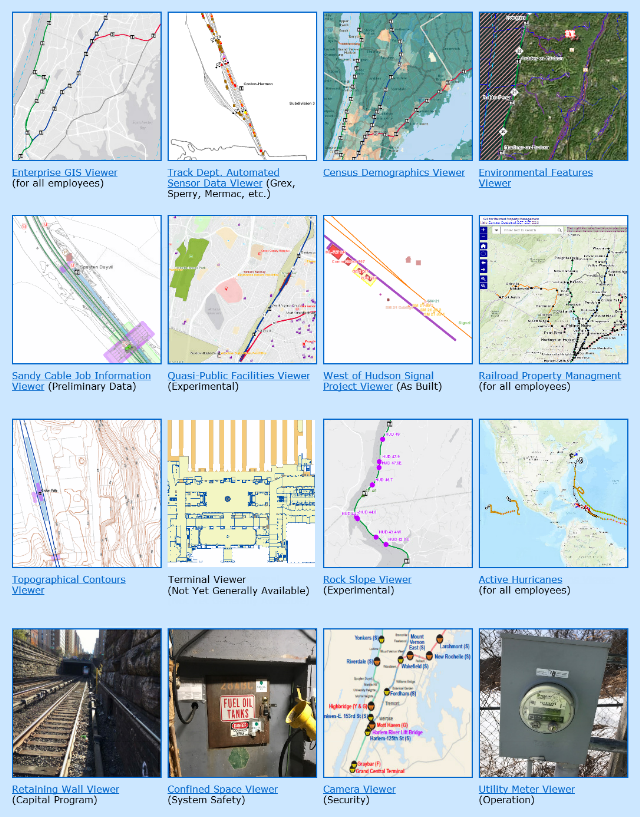 At a major regional railway, we were responsible for developing staffing, organizational structure, and business plans necessary to initiate a companywide Enterprise Geographic Information Systems (GIS) program. We implemented corporate GIS standards, boilerplates, policies, and procedures, and managed the initial bootstrapping phases of the new program, ensuring that necessary I.T. and other resources were secured. We convened an interdisciplinary team of staffers and consultants to develop a concept of operations plan to advance GIS and asset management data collection efforts, and to identify internal mapping and tracking needs that are not currently being fulfilled. This project gathered, imported, and published basic geospatial and infrastructure data (i.e. base map) to fulfill stated business and analytical needs of all departments throughout the railroad. Additionally we scoped out five supporting application development projects, provided their functional specifications, and designed new business processes required to support the elicited user requirements of a number of key railroad departments. The GIS applications included: a property management tool, an electronic track chart, a capital program drawings indexing and retrieval tool, a real-time train-tracking tool for use by field customer service agents, and a planning tool for visualizing travel patterns and traveller demographics. These five GIS applications were progressed through the operating budget justification process, which helped secure $3.8m of Enterprise Asset Management (EAM) funding.
Related Publications/Presentations:
- Geographic Information System Concept of Operations as a First Step Toward Total Enterprise Asset Management
- Enterprise GIS in a Commuter Rail Environment: State-of-Practice at a Major Northeastern Carrier
Automated Daily Analysis of Temporary Speed Restrictions
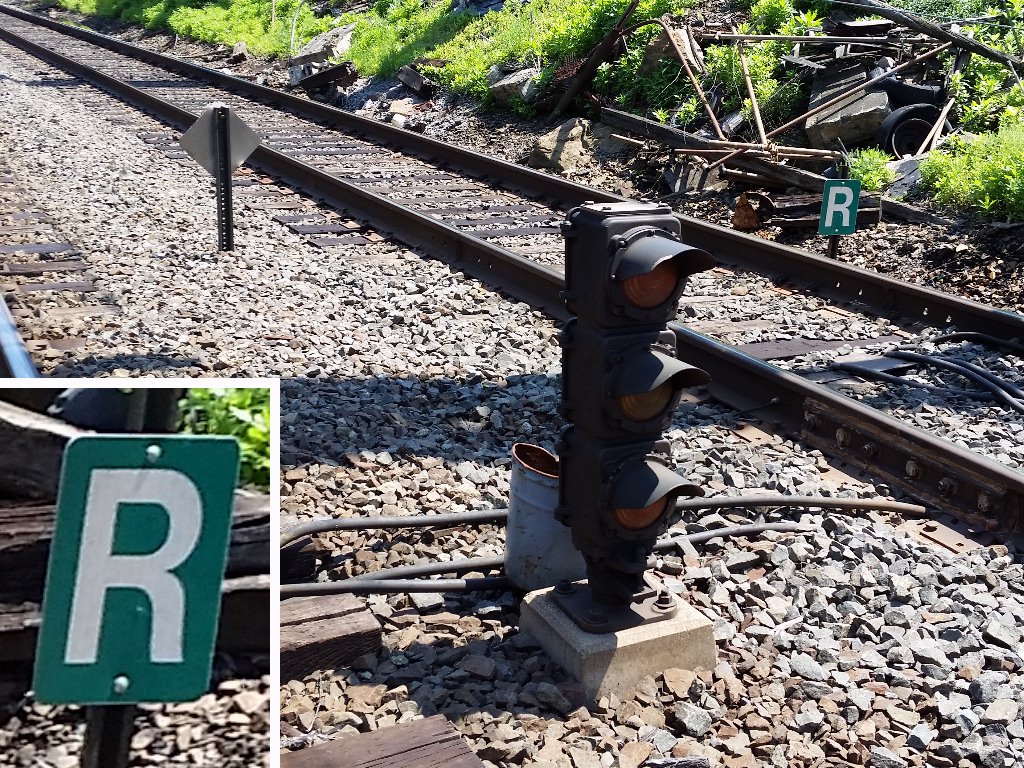 For a regional passenger railroad, we instituted daily automated analysis of temporary speed restrictions (TSRs) to enable senior managers to understand quantitatively the impact that daily and long-term track maintenance work was having on the service. At that time, the railroad had a paper-based process that issued daily TSR bulletins to train & engine employees, but did not systematically capture delays associated with these TSRs. We designed a process that predicted number of trains affected by these TSRs (which may affect only one of four tracks, therefore did not necessarily impact every train passing the location), and a simplified train performance calculator that simulated the effect of braking from normal linespeed, traversing the restriction, accelerating out of it, time required for radio communications, and any nearby station stops that may reduce the resulting delays. This data became an infrastructure performance measure that was monitored by the senior leadership.
Clearance Inventory and Planning for Double-Deck Passenger Equipment
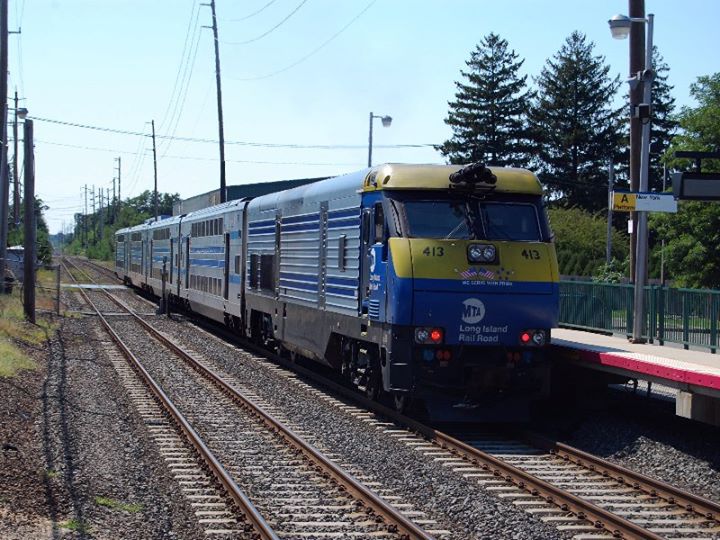 On behalf of a major passenger transport agency, we convened and progressed a clearance inventory project that aimed to provide a clear path for bi-level passenger coaching stock to enter a major downtown terminal through legacy tunnel infrastructure. This project involved multiple engineering areas and outside consultants, as it was necessary to examine the issue in an interdisciplinary way. The project team explored various approaches to make the car fit, including chamfering existing rolling stock designs, making minor and structural modifications to tunnel infrastructure, introducing speed restrictions as to reduce vehicle dynamic envelope, and upgrading track class to reduce maintenance tolerance. We also procured new clearance modelling software that enabled in-house engineering staff to manipulate LiDAR data and develop their own simulations of various clearance scenarios. Various operational and infrastructure changes required to support daily operation of higher rolling stock were identified by the project. This project is currently in full-scale physical testing based on a proposed car outline.
Track and Power Outage Planning Process Review
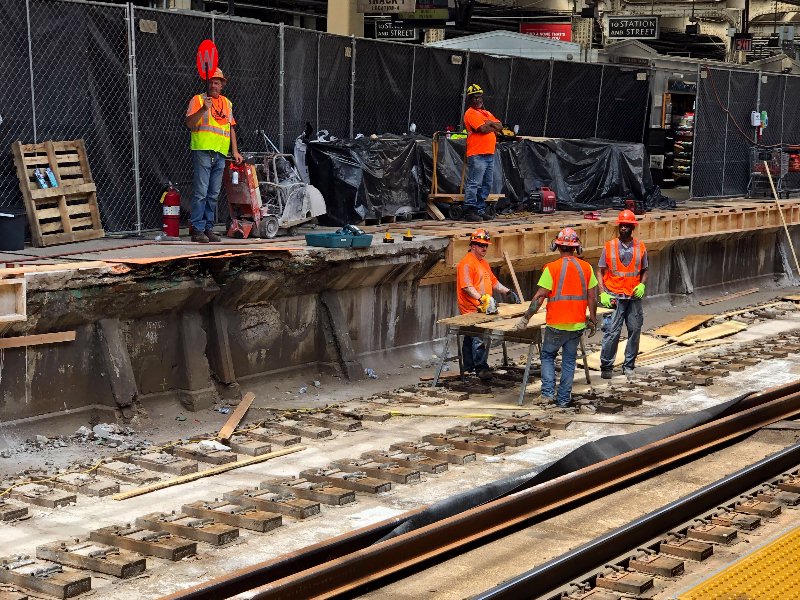
For a major commuter railroad, we were tasked to review the processes utilized in planning for, and resolving conflicts inherent in, track outages required for routine maintenance work and major capital projects. The remit also included a review of software tools that could be utilized, scheduling techniques that could provide longer windows of outage opportunities, and benchmarking with other passenger rail operators to identify possible improvements. We attended many track outage coordination meetings and concluded generally that existing processes were effective as long as participants had the necessary level of operations/construction knowledge, sufficient information about the (maintenance and capital) work to be accomplished, good understanding of their own resource requirements and availability, and properly communicate this information succinctly. Although other rail operators utilized web-based software for more detailed advance planning or had a more regimented process that reduced possibilities of errors or misunderstandings, they also forfeit some flexibility our client had available in terms of responding to short-term changes of plan due to e.g. last minute resourcing or weather-related issues. The scheduling rules for outage request/approvals, and base schedules when work was likely to occur, were written as to generally avoid having to issue a revised or special public timetable to accommodate any reasonably foreseeable work, which preserves operational flexibility for both maintenance work scope changes and in case of train delays due to incidents. However, we recommended that special schedules should be issued to accommodate major projects, as to improve the bandwidth available for project work and reduce both the instances of outages required and overall project costs. As a follow-up, we were tasked to review the power outage planning process within the context of accelerating a major investment programme; our findings were broadly similar, and their implementation resulted in faster rate of progress in the project.
Cost Allocation in Shared Major Rail Corridor Assets
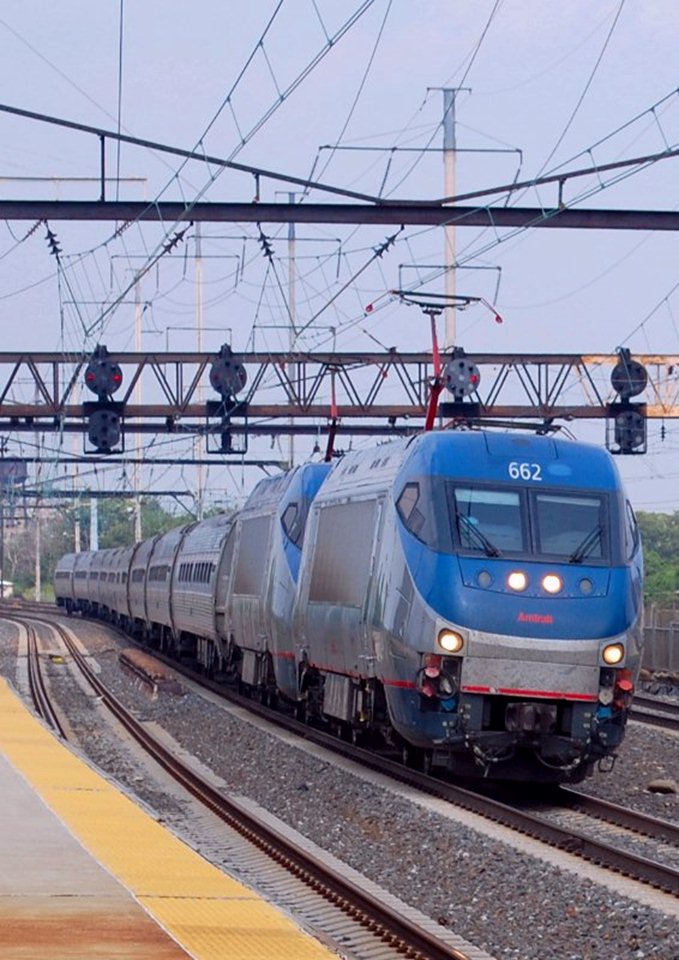 We supported a major user/owner of a shared rail corridor and associated infrastructure during renegotiation of track access charges to determine the equitable sharing of operating and capital costs based on a variety of usage metrics under the prevailing governance framework. Due to legislation changes, all track access agreements in the corridor needed to be renegotiated and the new framework calls for cost allocation based on infrastructure ownership, maintenance and operations responsibility, and usage statistics. We were tasked to collect the necessary data to support such a model, to provide to the corridor-wide coordinating organization for their use. At the same time, we built our own cost-allocation models as a way to forecast the expected cost and revenue impacts of the changes, and to provide a means to verify the reasonableness of cost allocation methods and metrics proposed by others. This work enabled decisionmakers to understand the likely impacts of these changes ahead of official ratification of the new cost sharing framework, and helped to build consensus amongst all stakeholders. Additionally, we utilized a similar methodology when a freight operator (tenant) needed to renegotiate its track access charges due to changing business circumstances, and as a result was able to get the rates being charged closer to the fully allocated cost of operating and maintaining the infrastructure.
Point-to-Point Running Time and Schedule Accuracy Analysis
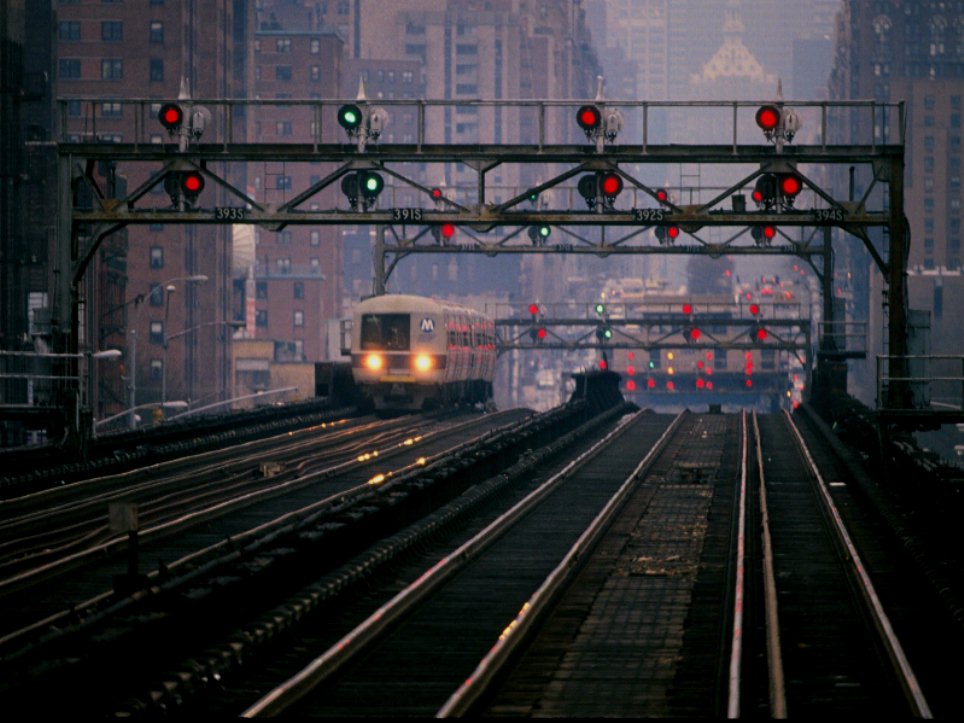 One major Northeastern passenger railroad had a period during late 2013 when train running times between interlocking control points were changing on a weekly basis due to moving infrastructure upgrade and maintenance projects. We were responsible for the near real-time analysis of track circuit occupancy data from train tracker software to determine whether sufficient running time was being provided in the operating schedules to ensure reliable operation and accurate arrival time predictions. We informed the train scheduling process by provide a scientific basis for running time adjustments by developing lateness, running time, variability, and delay cause analysis, and provided heat-map visualizations for senior management.
Related Publications/Presentations:
Business Case for Friday Exception Schedules in Urban Transit
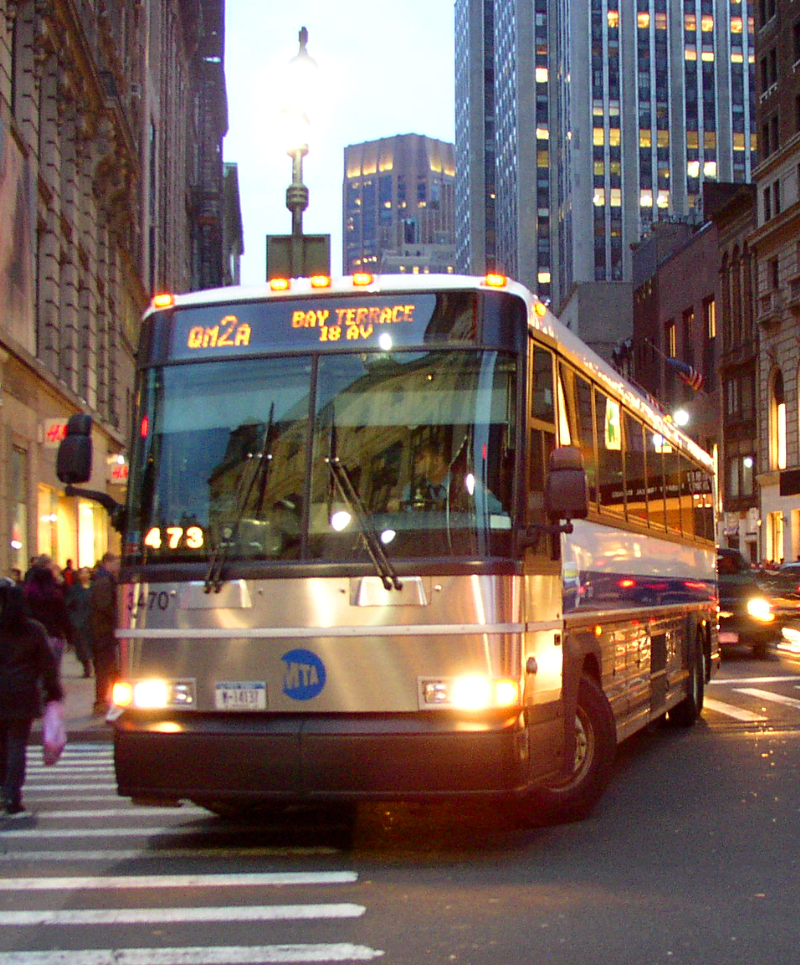 For a major regional transit authority, we developed a strategic business case for providing separate baseline schedules on Fridays distinct from other weekdays due to significantly different time-of-day and geographical ridership patterns. At that time, regular commuters were trending towards more flexible work scheduling, telecommuting arrangements, and 4½-day weeks especially in the summer, and we observed from Automated Fare Collection (AFC) data that the gaps between midweek and Friday ridership have widened. These Friday exception schedules are not unusual: transit operators ran full Saturday lunchtime rush-hours in the interwar years, while private bus companies, airlines, and freight railroads operate many exceptions today. They can help the operator better match service supply to passenger demand. We found through longitudinal analysis of data that more regular commuters skipped Friday’s trip than other weekdays’. Detailed analysis for 14 representative routes revealed 4.7% lower ridership on Fridays, potentially allowing 7.4% reductions in vehicle-hours operated. Available savings were route-specific, with 25% service reductions possible on some, whereas 25% service fortification was required on leisure-heavy routes having increased Friday ridership. We estimated that implementing separate Friday base schedules systemwide could provide an annual surplus of $10~$17 million for reinvestment elsewhere in the network. From a crewing perspective, we found that the resulting reduced Friday crew requirements could lead to an 1.8% increase in desirable weekend-inclusive regular days-off rosters, and 2.4% reduction in non-preferred midweek days-off rosters. Our recommendation was for the continued implementation of a computerized run-cutting system, and creation of routine analytical processes for multi-variate ridership analysis allowing differences across days, routes, time periods, and other variables to be determined, which together will form the prerequisites for implementing a separate Friday base schedule.
Related Publications/Presentations:
Observational Study of Subway Customer Seat Preferences
 For a major metro system, we performed an observational study of how customers tended to distribute themselves within each vehicle, with a view towards making recommendations about vehicle design (e.g. door, pole, and seat placement), and to reduce station dwell time. The plastic bench seats installed are otherwise highly homogeneous, but we identified special attributes such as adjacency to doors, whether a partition was present, or if the seating was longitudinal, transverse, facing or back to the direction of travel, and discovered patterns in customer seat choice. Results, based on seating- and standing-room occupancy probability statistics, show customers generally prefer seats adjacent to doors, no real preference for seats adjacent to support stanchions, but active disdain for bench spots between two other seats. On cars featuring transverse seating, customers prefer window seats, but have almost equal preference for backward- or forward-facing seats. No demographic differences were found amongst seated passengers, but as load factor increased, men had higher probabilities of being standees compared to women. 90% seat utilization is only achieved at 120% load factor; furthermore, standing customers strongly prefer to crowd vestibule areas between doors (particularly in cars with symmetric door arrangements), and hold onto vertical poles. We recommended that future railcars where possible should ideally be designed with asymmetric door apertures, 2+2+2 partitioned longitudinal seats, and no stanchions or partitions near doorways. This study received substantial attention within the research community and spawned similar studies in other cities of customer seating preferences, including some employing survey and focus group methods, thereby indirectly improving railcar seating layouts in a number of U.S. cities.
Related Publications/Presentations: