
Requirements Documentation for Operations Admin Systems
 We were tasked by the engineering department of a railroad to provide requirements documents, functional design, process engineering, and project management services for two operations administration systems. The first system dealt with keeping track of position advertisements, displacements, and seniority evaluations for awards in a heavily unionized environment with multiple crafts, physical characteristics qualifications, and concurrent seniorities on multiple rosters due to promotional paths. A legacy system was in place but did not provide all required functionalities. We assessed the current system and worked out the business case for complete replacement on a modernized platform versus incremental improvements. Although an agile process could have reproduced many existing functionalities very quickly, we found that certain signal systems employees had the skills to continue to improve the legacy system, access to the source code, and compilers continued to be supported by the vendor. For all those reasons, we provided project management service to deliver the required improvements using the legacy platform. The second one is used by field supervision to record overtime approvals and provide audit compliance. We worked with subject matter experts, field supervision, and executive groups to determine system requirements and develop a process that captured all necessary information without introducing undue burden on supervisory personnel. The completed project plan was turned over to corporate I.T. and compliance groups for implementation.
Shared Use of Railroad Infrastructure: Practical Field Research
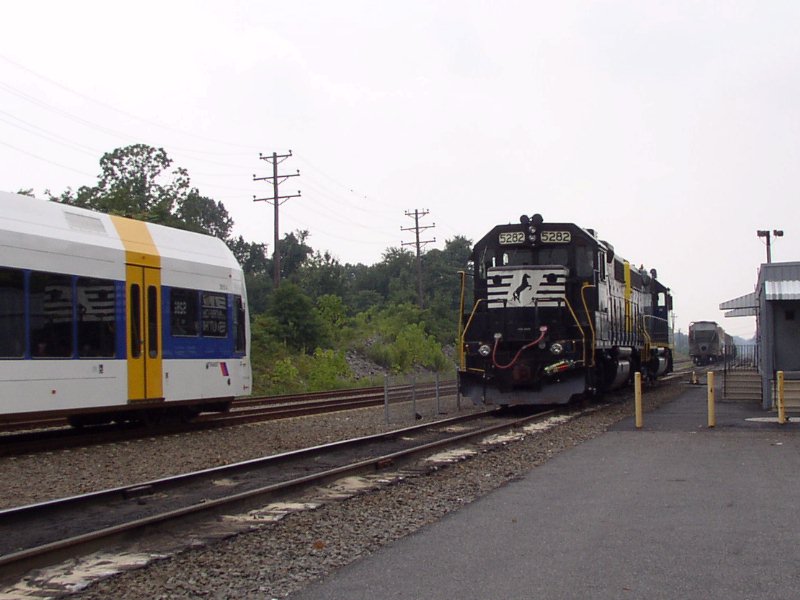 For a national transit research program, we were responsible for researching and writing a report on the shared use of railroad infrastructure by non-compliant light rail vehicles. At that time, the use of Federal Railroad Administration (FRA) waivers for operating light rail cars on general system of railroads was in its nascent years, and the concept of temporal or spatial separation was still in development. As part of this project, we visited a number of properties that have existing waivers. Through interviews with stakeholders, technical specialists, and transit managers, we determined the essential elements and conditions that allowed the system to operate safely and likely receive FRA waiver approval. We identified suitable train control technologies, their performance, costs, and operational impacts. We also determined common procedural and regulatory approaches, and methods for costsharing, staffing, and emergency recovery.
Related Publications/Presentations:
- Shared Use of Railroad Infrastructure with Noncompliant Public Transit Rail Vehicles: A Practitioner’s Guide
- Business Model for Commingled Operations of Freight and Non-FRA-Compliant Passenger Rail Services
Note: Alex Lu performed this work as an employee of another firm.
New Start Commuter Rail Feasibility Studies
O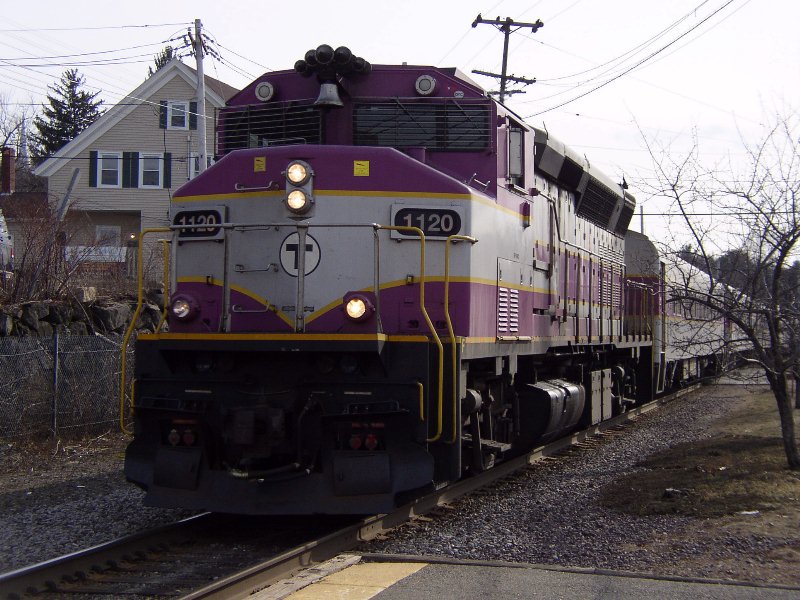 n behalf of numerous clients, we conducted pre-feasibility and feasibility studies on designated rail corridors of starting or reinstating commuter rail service. Typically a project would include:
- desktop exercise in ridership and revenue forecasting based on U.S. Census and other existing locally available data,
- defining a number of commuter rail alternatives in terms of service levels, station sites, technology, and other pertinent variables,
- order-of-magnitude estimate of required capital investment and a sketch level program based on field factfinding, and any existing infrastructure data provided by partner railroads,
- operating and maintenance cost estimate based on the service and infrastructure requirements, and prevailing rates of railway labour in the local area,
- sketch level service plan, including forecast journey times, schedules, vehicle cycles, and maintenance windows,
- assessment of local transport alternatives, including highway and other public transit options,
- review of existing local growth plans, commercial development strategy, to identify transit-supportive elements,
- preliminary review of real estate in the corridor to identify any potential acquisition difficulties, e.g. for parking,
- strategic overall assessment of likelihood in securing outside funding to initiate the capital investment scheme.
Note: Alex Lu performed this work as an employee of another firm.
Transit Plan for Major Property Redevelopment
 On behalf of a major institutional developer, we worked with a team of consultants to develop a custom trip generation and modal split model to predict the traffic and transit impacts of building out a 9.5 million square feet development over the next 30-50 years on the site of an existing freight rail yard and nearby underutilized sites. The developer’s stated goal was to minimize the automobile traffic impacts by diverting as much of the trips to transit as possible, and to convert some of these commuting trips to internal trips by building housing on-site and providing transit subsidies in lieu of parking spaces. We developed a number of scenarios based on the existing masterplan, developer’s inputs, and various assumptions about economic growth and the timing and programming of major construction projects. For some scenarios, we developed a detailed public transit plan, including projections on where within the metro area the development is likely to attract commuter and non-commuter trips, how these trips are best served by both existing public transit options and future transit investments that may progress independently of this development. Additionally, we developed proposals for re-routing of existing public bus routes and entirely new private bus shuttles that would serve this development, which would connect this area to the rest of the city.
Note: Alex Lu performed this work as an employee of another firm.
Critical Incident Response in Rail Control Centers: Research
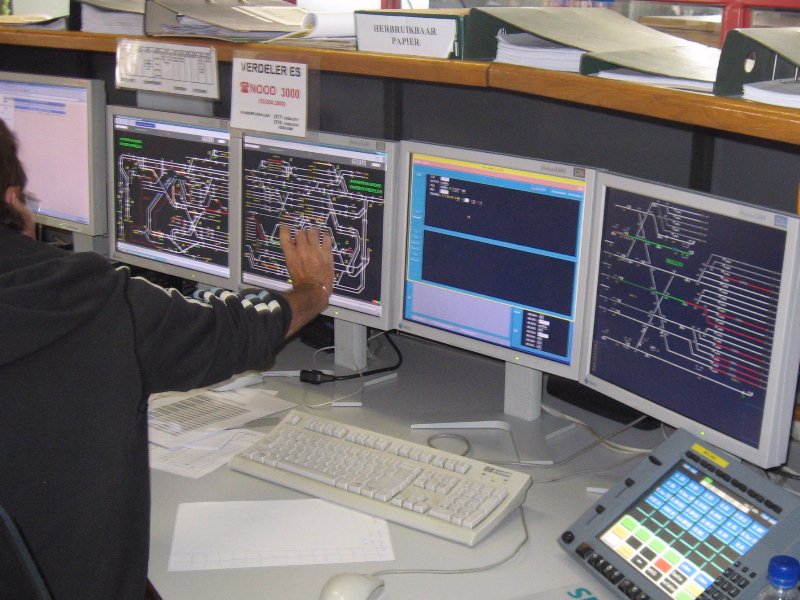
For the Signal & Telecoms dept. of a major passenger railway, we developed a research report for an executive audience describing at a functional level the command and control systems under their purview, and documented existing incident response procedures and plans for the purposes of a security audit. At the time, senior leadership were reviewing existing organizational structures, specifically regarding which hardware, software, and network maintenance functions were a core part of railway operations and maintenance, were support functions that belong in corporate I.T., or were performed by outside vendors. We were successful in establishing and documenting that the operation and maintenance of signal and power control systems, although they utilize certain commodity hardware components, were so tightly integrated with low-level embedded railway operating devices (such as vital interlocking processors, high voltage circuit breakers, and positive train control communication systems) that it would have undue negative impacts on railway operations to have a separate team responsible for their maintenance. We also demonstrated that the existing critical cyber security incident response procedures were at least as effective as those utilized by corporate I.T. security, and that the system is capable of operating with temporarily degraded functionality without compromising the safety of railway operations.
Design Charrettes for Rail Operations Support Application
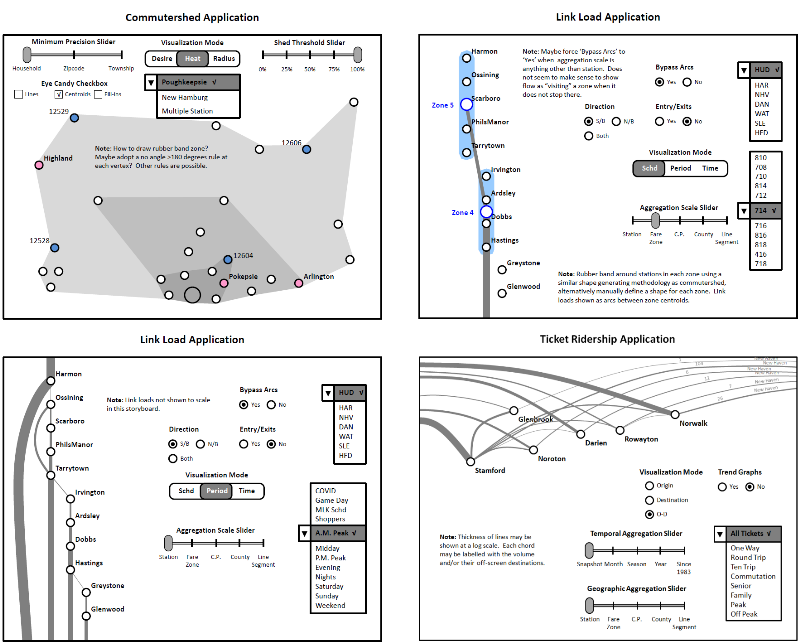 On behalf of a commuter rail agency, we provided a number of concepts and design storyboards for internal-facing operations application, and ran a series of design workshops. Some charrettes were intended to refine the user-interface design, workflow, and required business processes, whilst others were to improve buy-in amongst intended user base for a new or revised application. In all cases, we worked closely with the target user groups to ensure their concerns were addressed, and their business needs were accurately captured in the application design. For some applications, the design concepts were captured in a request for proposal (RFP) which were advertised by the agency in an open solicitation process; for others the designs needed to be fully defined to allow an in-house I.T. team to implement. The various applications we worked on include:
- internal train-tracking application for use by customer service representatives and operations supervisors,
- real estate transaction database application for use by engineering and legal personnel,
- capital as-built drawing filing system for use by capital program and maintenance of way (MOW) engineers, and
- ridership visualization application for use by operations planning and supervisory personnel.
Rail Freight Solutions to Roadway Congestion: Issues Research
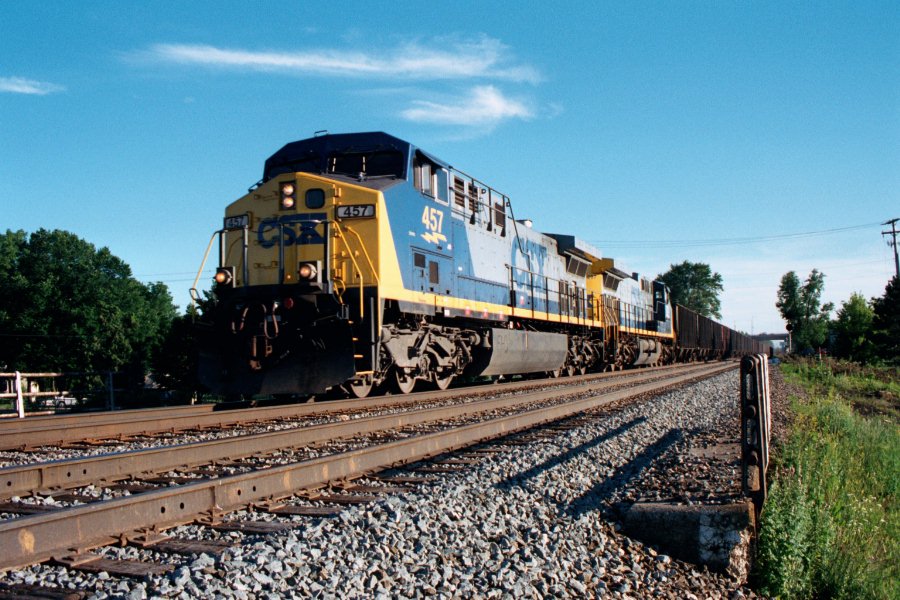 For a national transit research program, we were responsible for discovering and documenting issues involved in various different ideas that would leverage public sector investment in rail freight programs with a view towards solving highway congestion issues. As part of these projects, we essentially served as rail freight economics subject matter experts, and provided research and technical support in the following areas:
- case studies of current or proposed projects that have a public-sector rail freight investment component, which issues they have run into, and how those issues were solved;
- state-of-practice review for data sources in freight forecasting, and economic forecasting methodologies;
- innovative methods used by freight traffic forecasting practitioners to estimate the impacts of these schemes;
- methods for evaluating the benefits of railfreight investment, particularly in terms of community and environmental impacts;
- issues in shortline railroads, bulk transfer operations, transportation technology, and land-use trends.
Related Publications/Presentations:
- NCHRP 8-42 Rail Freight Solutions to Roadway Congestion
- NCHRP 8-43 Forecasting Statewide Freight Toolkit
- NCHRP 8-36 Task 43 Return on Investment on Freight Rail Capacity Improvement
Note: Alex Lu performed this work as an employee of another firm.
Freight Traffic Diversion Impact Studies
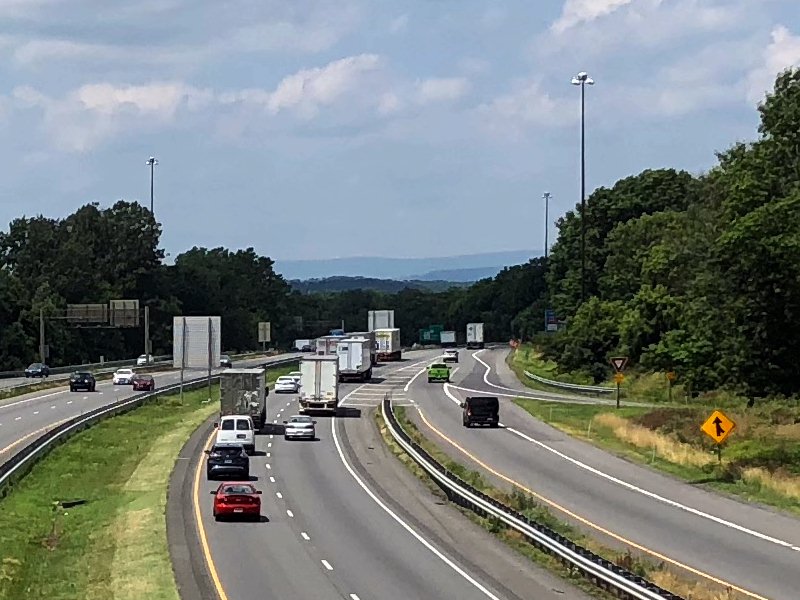
For a variety of clients in both public and private sectors, we performed freight diversion studies that forecast the change in traffic volumes as a result of freight policy or highway infrastructure changes. The studies typically started with locally provided data, specifically some measures of AADTT (annual average daily truck traffic), which we would match against the traffic demands implied by a proprietary origin-destination (O/D) commodity flow database. Having determined the likely O/D and commodities of the traffic mix using the highway facility, we now have much more information about the freight that’s moving on the facility (in key variables such as equipment type, commodity value, sensitivity to route or modal diversion, travel time, toll and labor costs, etc.), and thus could predict with some certainty the likely impact of facility upgrades, engineering alternatives, or policy changes such as time-of-day restrictions or addition of toll lanes. The outputs would include forecast AADTT, revenues, economic impacts, and levels of environmental impacts where this was applicable. Typically we would analyze the traffic impact of several scenarios that included both variables that the client can control, as well as ones that they cannot (such as future economic conditions.) We provided this information to the client who utilizes these results to evaluate their proposed infrastructure investment projects, private investment schemes, or make decisions on freight policy changes in the region.
Note: Alex Lu performed this work as an employee of another firm.
Freight Commodity Flow Modelling and Data Exchange Processing
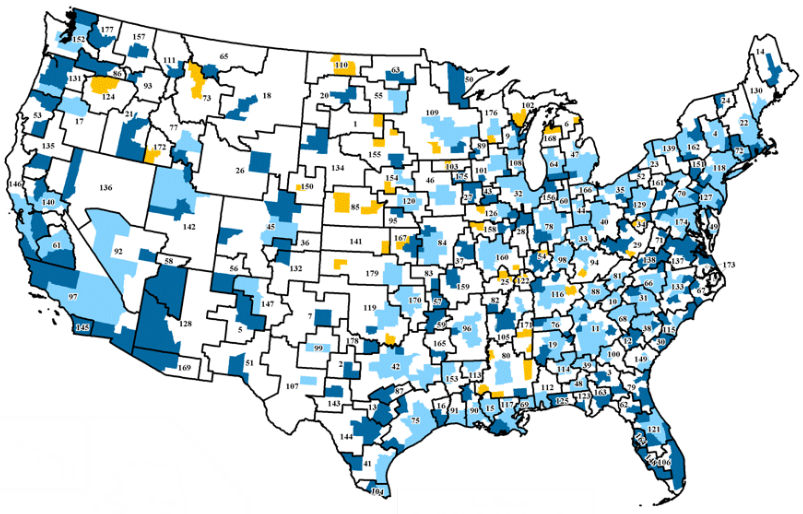 We were data scientists responsible for commodity flow modelling, traffic data processing, and manipulating huge databases for a proprietary freight market intelligence and traffic data tool. This database integrates information from various publicly-available and privately-collected data sources, and provides an overall picture of freight flows within the U.S., at a commodity and county or MSA level of detail. It is a feeder database to many statewide freight plans. To build or update this database, we started with Census data, local economic data, and public railroad waybill sample, and augmented the data with specific information gathered from a proprietary motor carrier data exchange program. Where specific information is not available, the public data is disaggregated or synthesized using established optimization methods, allocation matrices, and gravity-attraction models. We were specifically responsible for the following market segments: agriculture, coal, minerals, air freight, carrier data exchange, and barge transload sectors. We also contributed to the body of modelling knowledge by developing and/or refining new data collection and manipulation methodologies, resulting in continual improvement of the product. This proprietary tool continues to be available on a subscription basis from its owner.
Note: Alex Lu performed this work as an employee of another firm.
Strategic Plans for Rail Freight Business Development
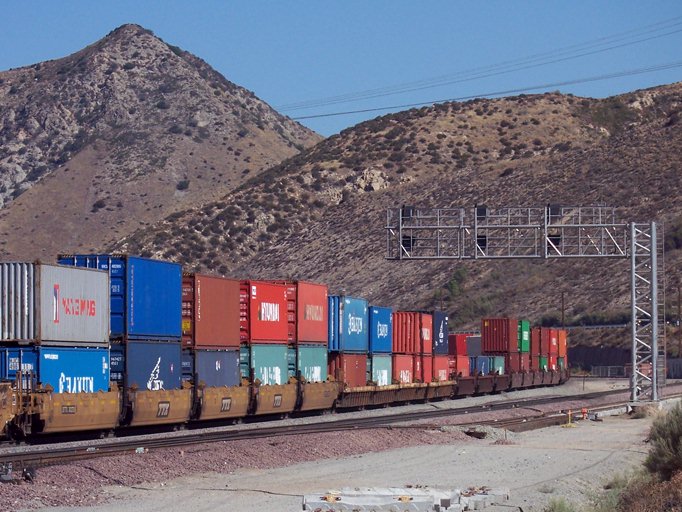
On behalf of a major truckload carrier, we worked with other consultants to develop market demand and existing supplier capacity assessments for a specialized type of intermodal rail freight transport, to determine the likelihood of success that our client would have in launching a service in this specialized market. We also provided various strategies and scenarios as to how this firm can take advantage of the known market conditions to maximize its likelihood of success. Using a proprietary database of freight commodity flows, we also identified corridors where we thought the firm could achieve a high market penetration soon after launch. For an inland port authority, we utilized a similar methodology to determine the market potential of developing an intermodal container service leveraging the port’s strategic geographic location and ready access to multiple major rail carriers. Using the same commodity flow database, we identified containerizable commodities, industrial sectors, and origin-destination lanes and markets where the port could have the best success in targeting new customers for this type of service.
Note: Alex Lu performed this work as an employee of another firm.
Management Support for Stop Elimination and Performance Initiatives
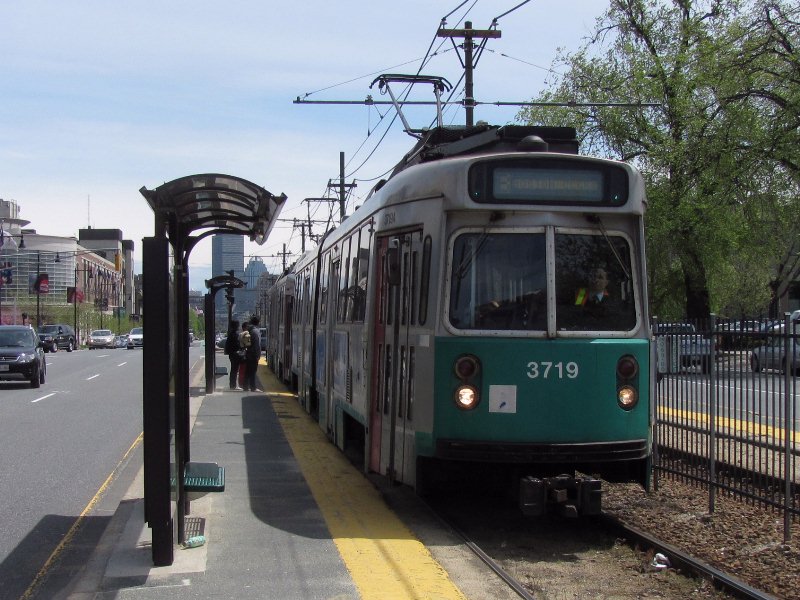
For a multi-model regional transit authority, we provided analytical and project support for a line manager who sought to accomplish two goals: eliminate several underutilized stops on a trolley line, and improve en-route timekeeping at key interchange stations. We identified the target stops to be eliminated using a composite scoring method on several criteria: daily patronage, distance to adjacent alternative stops, and proximity to major demand generators that serves limited-mobility populations. Stops that we identified were subject to a closure process beginning with six month temporary service suspension following public consultation. For on-time performance improvements, we designed schedule “paddles” similar to those carried by railroad enginemen in Asia, which provided quick reference of scheduled times at intermediate timing points. We also provided updated “simplifier” sheets to en-route supervisors (similar to a pre-printed train register), which made it easier for each supervisor to determine whether a trolley was running early or late at their location, or if an interval had been missed entirely by the departure terminal. The on-time performance initiatives proved too resource-heavy for production implementation, however, the elimination of underutilized stops did result in slight journey time improvements with minimal impact to total ridership.
Route Strategies for National Rail Infrastructure Operator
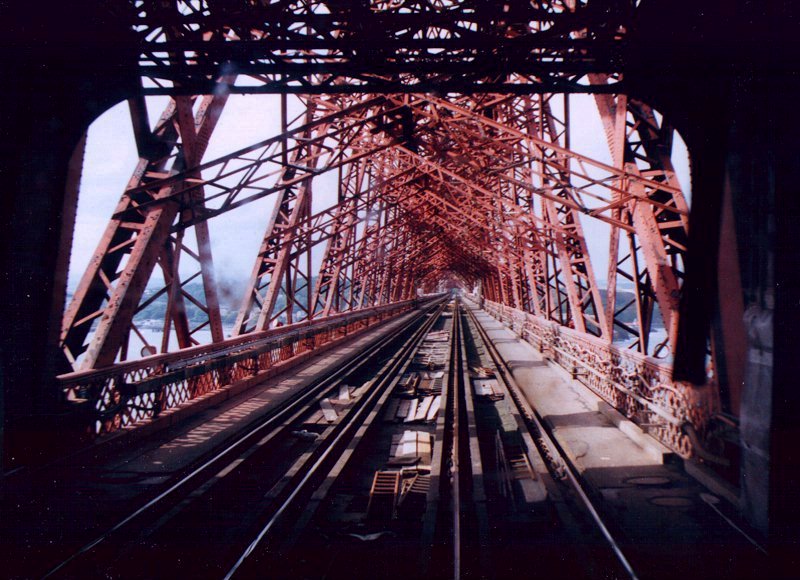 For a national rail infrastructure owner and operator, we provided analytical support to ascertain the various (route capability, route capacity, and journey time) impacts of investment in rail infrastructure on train operations. Our primary tasks included calibrating a sketch-level train-performance model using field-collected data and limited outputs from a more expensive engineering model; interpreting prevailing signalling rules and achieving an understanding of existing hardware to ascertain maximum practical and theoretical line capacity; conceptual design of alternatives for infrastructure alterations to relieve identified bottlenecks; and cash flow analyses to ensure that the proposed enhancement schemes fit within the envelope of available budget. Some of the ideas we identified have resulted in investment, although not always in the form initially envisaged. The strategic route investment planning process continues on a cyclical five-year basis.
Related Publications/Presentations:
- Network Management Statement (incorporating Route Strategy for Scotland Zone)