
Tag: fare evasion
Measuring and Controlling Subway Fare Evasion
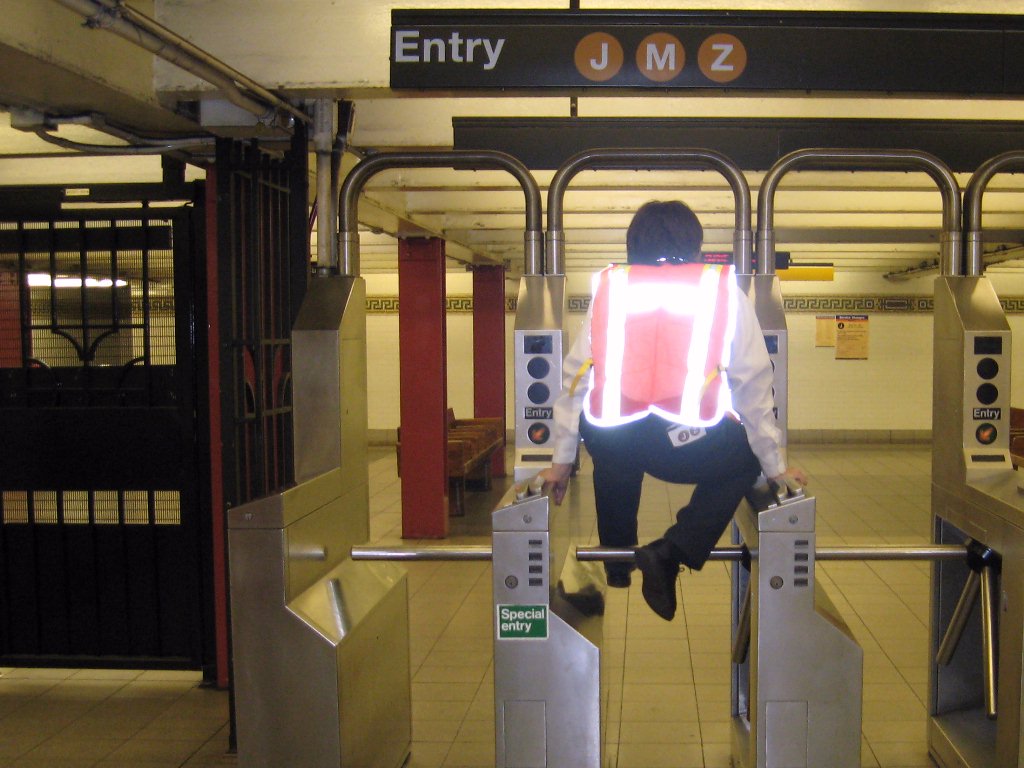 We were tasked by a major U.S. rapid transit system to determine the true rate of fare evasion at the turnstile, and assess the resulting potential revenue loss. Working in conjunction with a team of internal auditors, we adopted a stratified sampling methodology and developed methods for discreet (although not completely clandestine) observations at subway fare control areas. During this project, we discovered that the system in fact had a comprehensive pre-existing framework for managing and combating fare evasion, although it did not report any reliable statistics. The Automated Fare Collection (AFC) system actually features lessons learned from field trials of prototypes specifically designed to limit fare abuse. We found at that time the annual average subway evasion rate remained relatively low at approximately 1.3%, although there were distinct patterns by time of day, type of fare control, rider demographics, and geography. Evasion rate peaks at 3pm due to students dismissal, otherwise hovers around 0.9% peak, 1.9% off-peak. Busy times and locations have higher evasions per hour but lower evasions per passenger. More evasions occur in lower-income neighbourhoods. Staff presence apparently doesn’t reduce evasions. Perhaps counterintuitively, we recommended that fare evasion enforcement should focus on high volume stations and time-of-day to maximize deterrent effect. The transit agency implemented a continuing program to monitor the true rate of fare evasion following this audit, and addressed issues relating to fare structure, probability of enforcement action, versus fixed-penalty fines.
Related Publications/Presentations:
Bus Fare Collection System Audits
 For a large regional bus company, we performed a series of fare payment system related audits to support a number of management initiatives and special projects. In response to a perception that fare abuse is an issue on certain bus routes, we conducted systemwide measurements to estimate the rate of onboard fare evasion with a group of traffic surveyors. To ensure the systemwide rates are correct for revenue loss estimation purposes, we used a stratified sample to ensure proper geographic and temporal coverage. In conjunction with a bus rapid transit line launch featuring offboard fare payment system, we performed before and after studies of unpaid fares, to understand how the changes in fare collection mechanism has affected the rates. To support financial estimates, we designed a study to measure the dollar amounts paid by passengers who paid a partial fare using nearly exhausted farecards or insufficient cash fares. To address an allegation that limited-mobility users were not paying the correct fares, we designed a study specifically to observe wheelchair boardings, which was difficult because it is a relatively rare event widely distributed in time and space. We also designed a study using AFC system data to determine the frequency at which buses were sent from depot with malfunctioning fareboxes, resulting in no fare being collected for that trip. Following the launch of a proof-of-payment system on a bus rapid transit line, we designed a study to measure the effectiveness of the strategies utilized by onboard fare inspection team to ticket nonpaying riders, and provided recommendations on how the fare inspection teams could modify their work schedules and inspection locations to improve both capture rate and rider perception. We also set up a routine process that allowed the bus company to produce a weekly report of rolling average rates of systemwide fare evasion for monitoring by operations management.
Statistical Sampling for Electronic Toll Road Transaction Audit
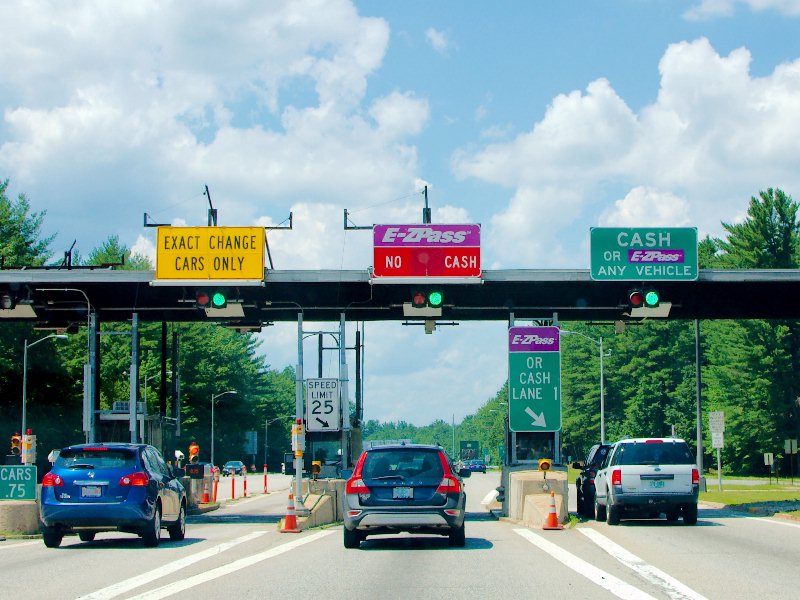
On behalf of the internal audit group at a large regional transportation agency, we designed a stratified statistical sample for determining the true rate of toll evasion on electronic RFID-based toll collection systems. The system is owned by a multi-state consortium, thus subject to interagency settlements, and billing for uncollected tolls had varying degrees of success. At the same time, the agency was actively considering gateless tolling, and thus needed to understand potential revenue losses from different types of toll evasion. Each electronic transaction selected for audit required labourous manual retrieval and review of video footage; at the same time, toll evasion is presumed to be a rare event, making its true rate difficult to determine by statistical sampling. Through the use of statistics, we minimized the number of events that required reviewing but retained confidence in the results, and helped them develop upper and lower bounds for toll evasion rates and resulting revenue losses.