
Tag: freight
Railroad Operations and Alignment Design Support
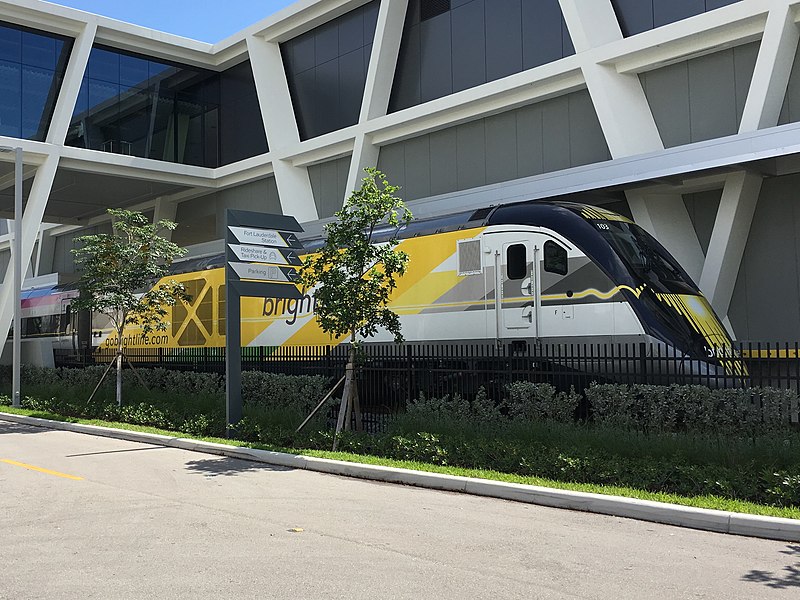
We provided specialized railroad technical support to a larger planning and engineering team that was performing an environmental impact and alternatives analysis on behalf of a state department of transportation that is contemplating several options for redeveloping a rail corridor for mixed commuter, intercity rail, and freight transportation use. Specifically, we laid out new alignment options at a conceptual engineering level to minimize property takings by re-using existing corridors. The new alignments we identified connected two parallel corridors at strategic locations to enable integrated service plans, to allow freight traffic to be routed onto a by-pass away from urban centres and reduce grade crossing risks. We also developed operating plans to show that overhead freight traffic can be routed through the area without delay while offering a robust schedule for commuter and intercity services operated under various growth scenarios. At this time, the project has been constructed, although with a substantially different form of governance and service plan than what we envisioned.
Note: Alex Lu performed this work as an employee of another firm.
Rail Freight Solutions to Roadway Congestion: Issues Research
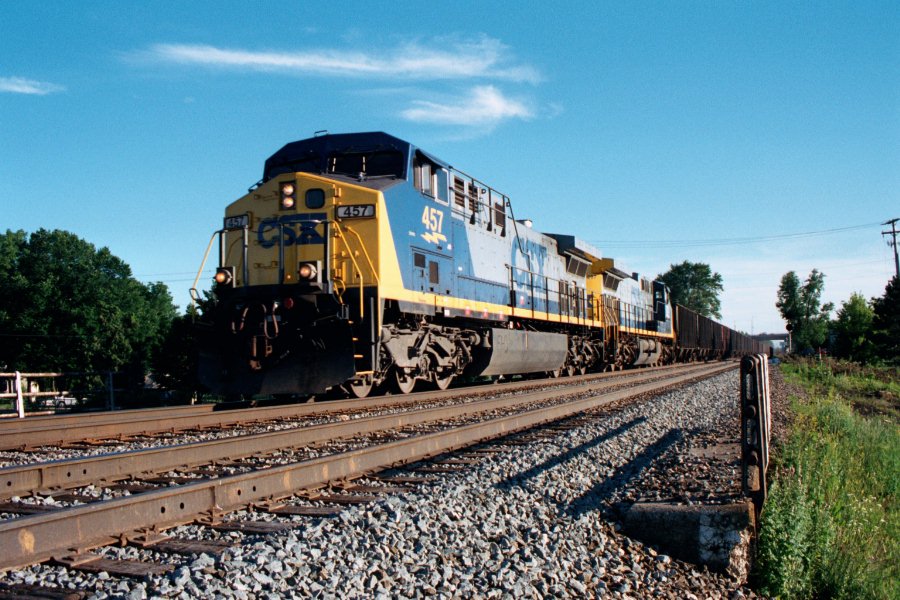 For a national transit research program, we were responsible for discovering and documenting issues involved in various different ideas that would leverage public sector investment in rail freight programs with a view towards solving highway congestion issues. As part of these projects, we essentially served as rail freight economics subject matter experts, and provided research and technical support in the following areas:
- case studies of current or proposed projects that have a public-sector rail freight investment component, which issues they have run into, and how those issues were solved;
- state-of-practice review for data sources in freight forecasting, and economic forecasting methodologies;
- innovative methods used by freight traffic forecasting practitioners to estimate the impacts of these schemes;
- methods for evaluating the benefits of railfreight investment, particularly in terms of community and environmental impacts;
- issues in shortline railroads, bulk transfer operations, transportation technology, and land-use trends.
Related Publications/Presentations:
- NCHRP 8-42 Rail Freight Solutions to Roadway Congestion
- NCHRP 8-43 Forecasting Statewide Freight Toolkit
- NCHRP 8-36 Task 43 Return on Investment on Freight Rail Capacity Improvement
Note: Alex Lu performed this work as an employee of another firm.
Freight Traffic Diversion Impact Studies
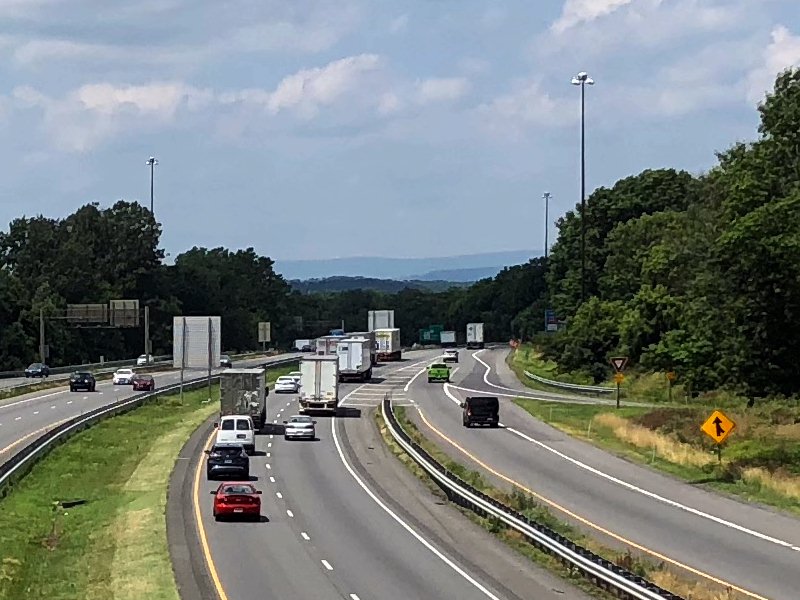
For a variety of clients in both public and private sectors, we performed freight diversion studies that forecast the change in traffic volumes as a result of freight policy or highway infrastructure changes. The studies typically started with locally provided data, specifically some measures of AADTT (annual average daily truck traffic), which we would match against the traffic demands implied by a proprietary origin-destination (O/D) commodity flow database. Having determined the likely O/D and commodities of the traffic mix using the highway facility, we now have much more information about the freight that’s moving on the facility (in key variables such as equipment type, commodity value, sensitivity to route or modal diversion, travel time, toll and labor costs, etc.), and thus could predict with some certainty the likely impact of facility upgrades, engineering alternatives, or policy changes such as time-of-day restrictions or addition of toll lanes. The outputs would include forecast AADTT, revenues, economic impacts, and levels of environmental impacts where this was applicable. Typically we would analyze the traffic impact of several scenarios that included both variables that the client can control, as well as ones that they cannot (such as future economic conditions.) We provided this information to the client who utilizes these results to evaluate their proposed infrastructure investment projects, private investment schemes, or make decisions on freight policy changes in the region.
Note: Alex Lu performed this work as an employee of another firm.
Freight Commodity Flow Modelling and Data Exchange Processing
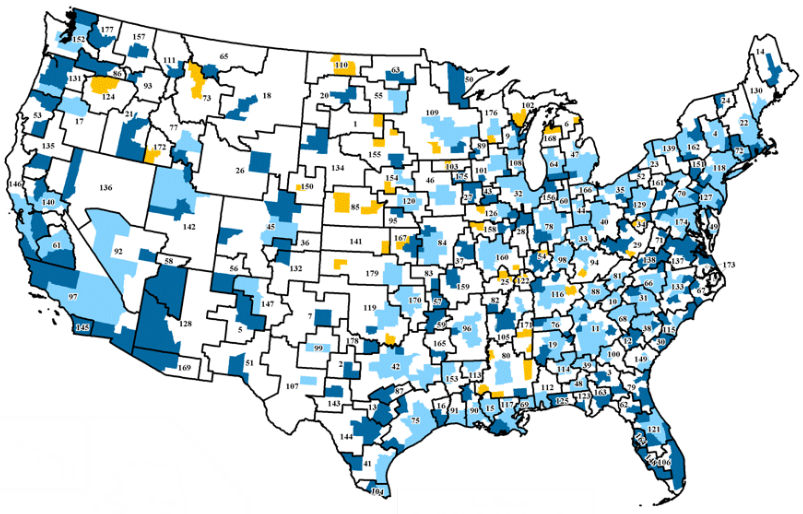 We were data scientists responsible for commodity flow modelling, traffic data processing, and manipulating huge databases for a proprietary freight market intelligence and traffic data tool. This database integrates information from various publicly-available and privately-collected data sources, and provides an overall picture of freight flows within the U.S., at a commodity and county or MSA level of detail. It is a feeder database to many statewide freight plans. To build or update this database, we started with Census data, local economic data, and public railroad waybill sample, and augmented the data with specific information gathered from a proprietary motor carrier data exchange program. Where specific information is not available, the public data is disaggregated or synthesized using established optimization methods, allocation matrices, and gravity-attraction models. We were specifically responsible for the following market segments: agriculture, coal, minerals, air freight, carrier data exchange, and barge transload sectors. We also contributed to the body of modelling knowledge by developing and/or refining new data collection and manipulation methodologies, resulting in continual improvement of the product. This proprietary tool continues to be available on a subscription basis from its owner.
Note: Alex Lu performed this work as an employee of another firm.
Strategic Plans for Rail Freight Business Development
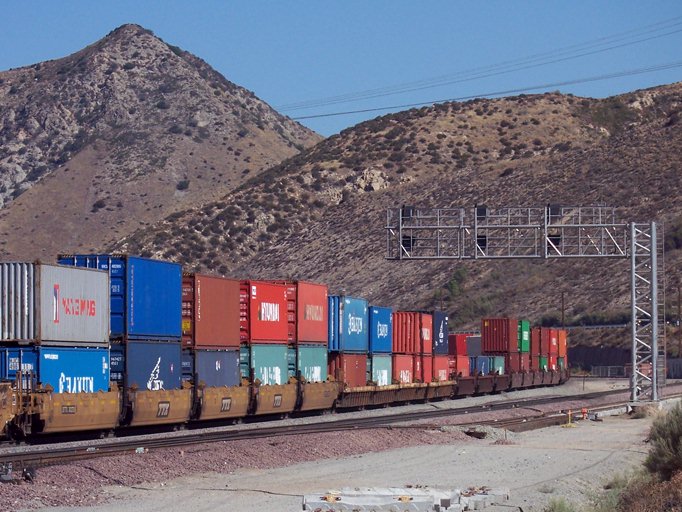
On behalf of a major truckload carrier, we worked with other consultants to develop market demand and existing supplier capacity assessments for a specialized type of intermodal rail freight transport, to determine the likelihood of success that our client would have in launching a service in this specialized market. We also provided various strategies and scenarios as to how this firm can take advantage of the known market conditions to maximize its likelihood of success. Using a proprietary database of freight commodity flows, we also identified corridors where we thought the firm could achieve a high market penetration soon after launch. For an inland port authority, we utilized a similar methodology to determine the market potential of developing an intermodal container service leveraging the port’s strategic geographic location and ready access to multiple major rail carriers. Using the same commodity flow database, we identified containerizable commodities, industrial sectors, and origin-destination lanes and markets where the port could have the best success in targeting new customers for this type of service.
Note: Alex Lu performed this work as an employee of another firm.
Track Density (Tonnage) Estimation for Commuter Railroad
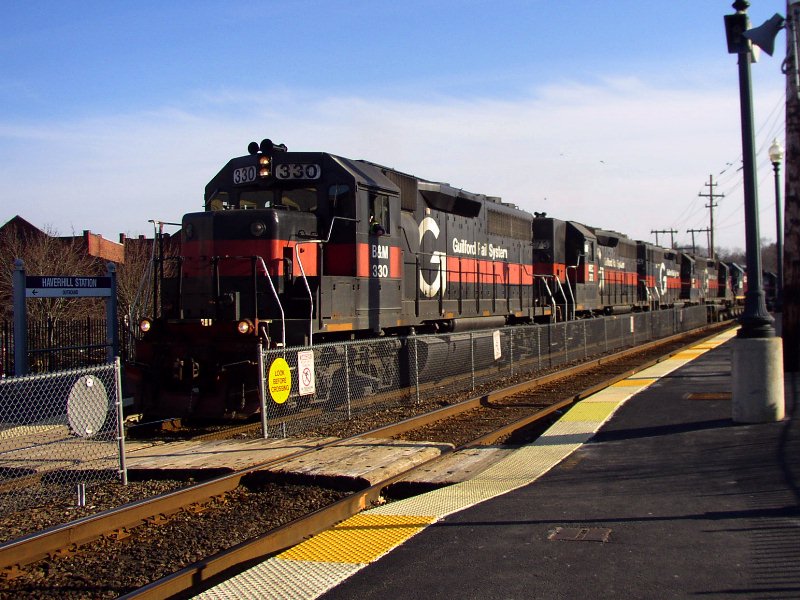 Commuter railroads do not typically consider their output in terms of million gross tons (MGTs) carried, and typically have negligible freight activity. However, tonnage estimations can be important for assessing turnout and curve rail replacement, and resurfacing needs. On behalf of an infrastructure owner of mixed-traffic trackage in a commuter district, we estimated the track density on a track and block level. Starting with electronic train movement records, we designed a heuristic to automatically filter out questionable data, and provide reasonable estimates for use in their place. This was then combined with planned train-level consist data and seated-load gross equipment weights to determine MGTs attributable to passenger trains and EMU equipment. For road freight trains, we used one year’s worth of freight train manifests to determine tonnage carried, marrying this with train movement data to determine their routing. For unit trains (that load or unload within the territory), and local trains (that pick-up and set-out loads within the territory—negligible volumes), we tracked the tonnage changes en-route where this was deemed a significant factor in the total MGT estimate. On several mainline track segments, freight MGT was found to be between 30%~35% of total MGT and a significant contributor to track wear, despite this being a very busy commuter district that only saw 4~7 road freight trains per day (compared to upwards of 800 daily commuter train-starts). This finding triggered additional management interest in freight activity.
Freight Tenant WILD and Manifest Data Processing
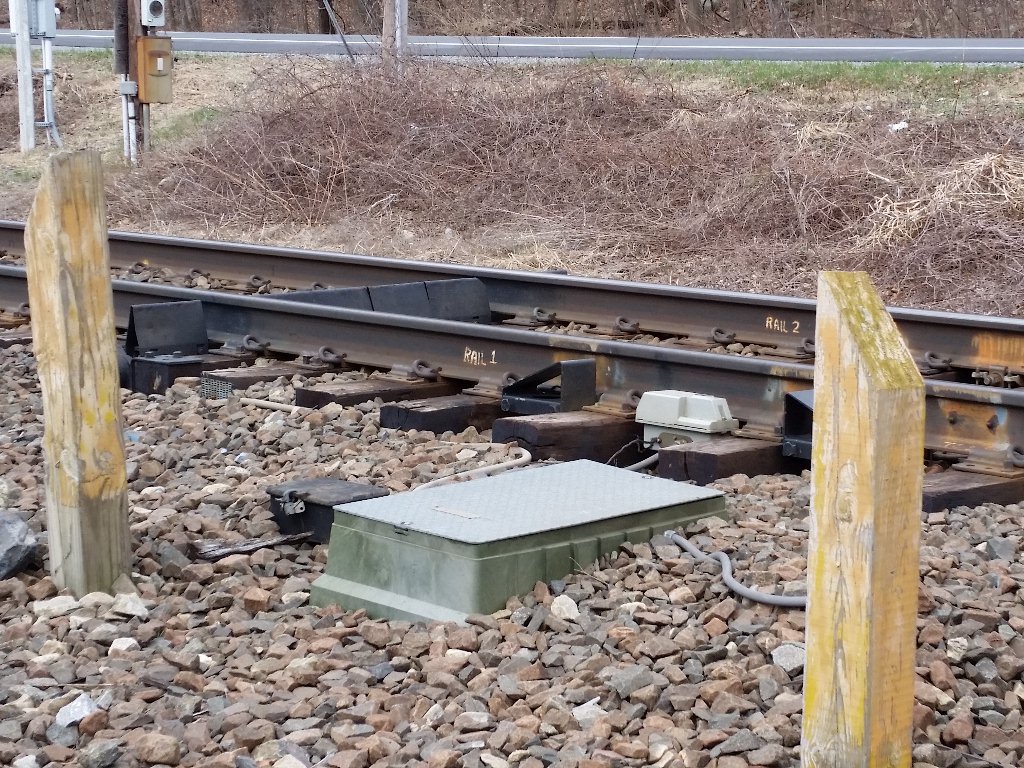 For a passenger railway that hosted a number of freight track-rights tenant operators, we served as the business representative on a multilateral project to install wayside Wheel Impact Load Detectors (WILD) and utilize that data for operational purposes (alerts, audits, billing, etc.) The project involved providing the real-time information to the operations control centre (OCC) such that decisions can be made about whether the freight train is permitted to enter the passenger rail territory, and also matching real-time WILD data to a nightly freight manifest export for audit and billing purposes. We were able to design a fuzzy algorithm that matches the WILD data (containing only car IDs, and only some of the time) to the Manifest data (having train IDs, but not always accurate, and often contains ‘complications’ such as cars being dropped off or picked-up en-route, on both scheduled and unscheduled bases). This project improved the accuracy of the Manifest data being transmitted by tenant railroads, and reduced the instances of overweight cars, which indirectly contributed to improved host-tenant relationship.