
Tag: highway
Statistical Sampling for Electronic Toll Road Transaction Audit
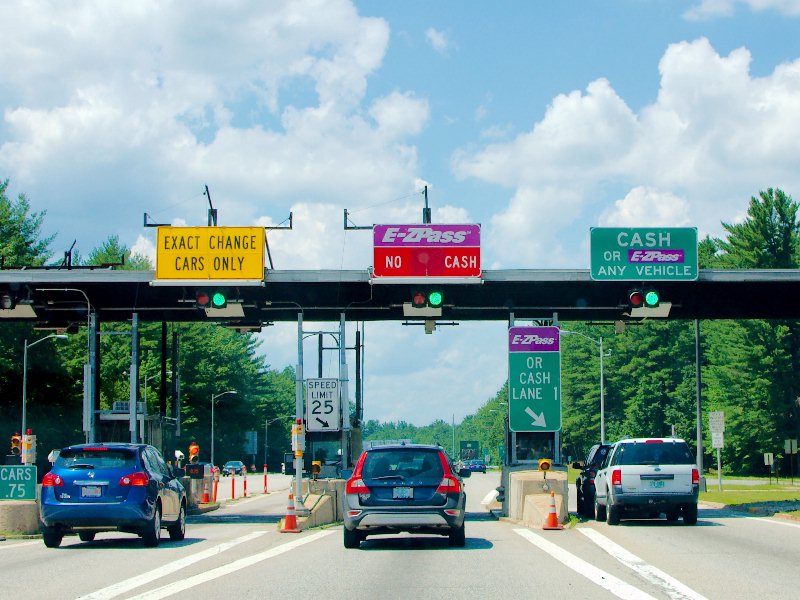
On behalf of the internal audit group at a large regional transportation agency, we designed a stratified statistical sample for determining the true rate of toll evasion on electronic RFID-based toll collection systems. The system is owned by a multi-state consortium, thus subject to interagency settlements, and billing for uncollected tolls had varying degrees of success. At the same time, the agency was actively considering gateless tolling, and thus needed to understand potential revenue losses from different types of toll evasion. Each electronic transaction selected for audit required labourous manual retrieval and review of video footage; at the same time, toll evasion is presumed to be a rare event, making its true rate difficult to determine by statistical sampling. Through the use of statistics, we minimized the number of events that required reviewing but retained confidence in the results, and helped them develop upper and lower bounds for toll evasion rates and resulting revenue losses.
Rail Freight Solutions to Roadway Congestion: Issues Research
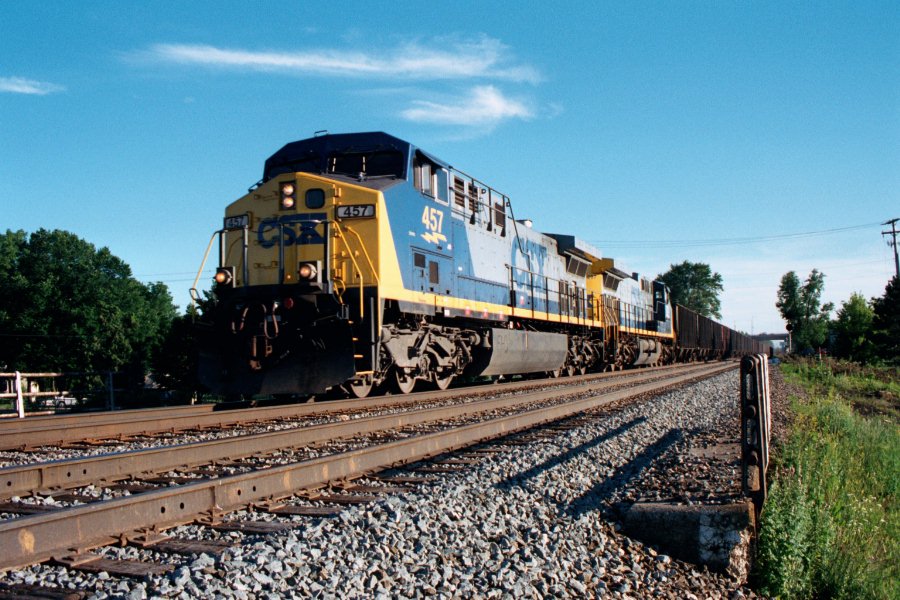 For a national transit research program, we were responsible for discovering and documenting issues involved in various different ideas that would leverage public sector investment in rail freight programs with a view towards solving highway congestion issues. As part of these projects, we essentially served as rail freight economics subject matter experts, and provided research and technical support in the following areas:
- case studies of current or proposed projects that have a public-sector rail freight investment component, which issues they have run into, and how those issues were solved;
- state-of-practice review for data sources in freight forecasting, and economic forecasting methodologies;
- innovative methods used by freight traffic forecasting practitioners to estimate the impacts of these schemes;
- methods for evaluating the benefits of railfreight investment, particularly in terms of community and environmental impacts;
- issues in shortline railroads, bulk transfer operations, transportation technology, and land-use trends.
Related Publications/Presentations:
- NCHRP 8-42 Rail Freight Solutions to Roadway Congestion
- NCHRP 8-43 Forecasting Statewide Freight Toolkit
- NCHRP 8-36 Task 43 Return on Investment on Freight Rail Capacity Improvement
Note: Alex Lu performed this work as an employee of another firm.
Freight Traffic Diversion Impact Studies
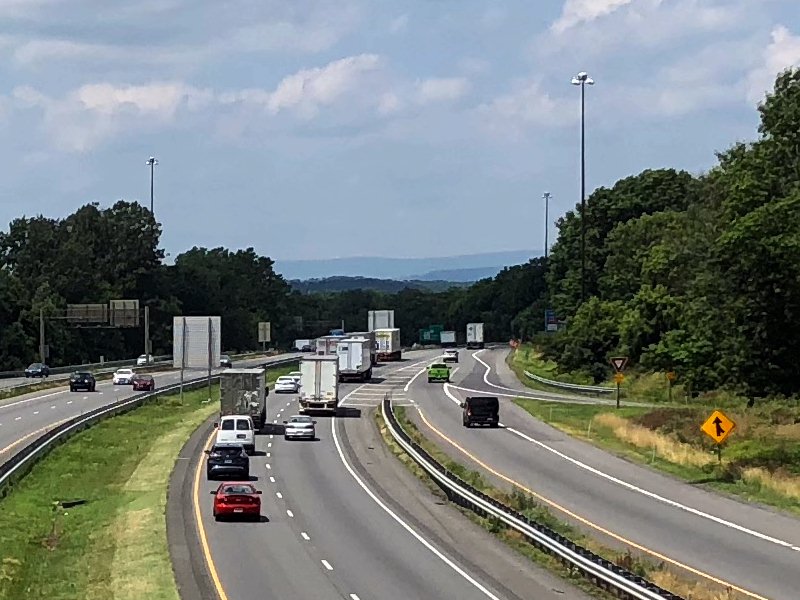
For a variety of clients in both public and private sectors, we performed freight diversion studies that forecast the change in traffic volumes as a result of freight policy or highway infrastructure changes. The studies typically started with locally provided data, specifically some measures of AADTT (annual average daily truck traffic), which we would match against the traffic demands implied by a proprietary origin-destination (O/D) commodity flow database. Having determined the likely O/D and commodities of the traffic mix using the highway facility, we now have much more information about the freight that’s moving on the facility (in key variables such as equipment type, commodity value, sensitivity to route or modal diversion, travel time, toll and labor costs, etc.), and thus could predict with some certainty the likely impact of facility upgrades, engineering alternatives, or policy changes such as time-of-day restrictions or addition of toll lanes. The outputs would include forecast AADTT, revenues, economic impacts, and levels of environmental impacts where this was applicable. Typically we would analyze the traffic impact of several scenarios that included both variables that the client can control, as well as ones that they cannot (such as future economic conditions.) We provided this information to the client who utilizes these results to evaluate their proposed infrastructure investment projects, private investment schemes, or make decisions on freight policy changes in the region.
Note: Alex Lu performed this work as an employee of another firm.
Freight Commodity Flow Modelling and Data Exchange Processing
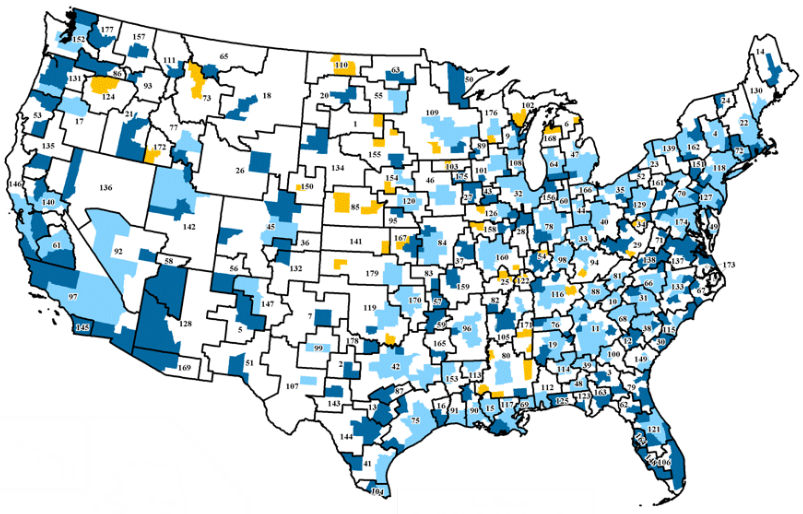 We were data scientists responsible for commodity flow modelling, traffic data processing, and manipulating huge databases for a proprietary freight market intelligence and traffic data tool. This database integrates information from various publicly-available and privately-collected data sources, and provides an overall picture of freight flows within the U.S., at a commodity and county or MSA level of detail. It is a feeder database to many statewide freight plans. To build or update this database, we started with Census data, local economic data, and public railroad waybill sample, and augmented the data with specific information gathered from a proprietary motor carrier data exchange program. Where specific information is not available, the public data is disaggregated or synthesized using established optimization methods, allocation matrices, and gravity-attraction models. We were specifically responsible for the following market segments: agriculture, coal, minerals, air freight, carrier data exchange, and barge transload sectors. We also contributed to the body of modelling knowledge by developing and/or refining new data collection and manipulation methodologies, resulting in continual improvement of the product. This proprietary tool continues to be available on a subscription basis from its owner.
Note: Alex Lu performed this work as an employee of another firm.