
Tag: investment programming
Expediting Capital Project Completion Through Root Cause Identification
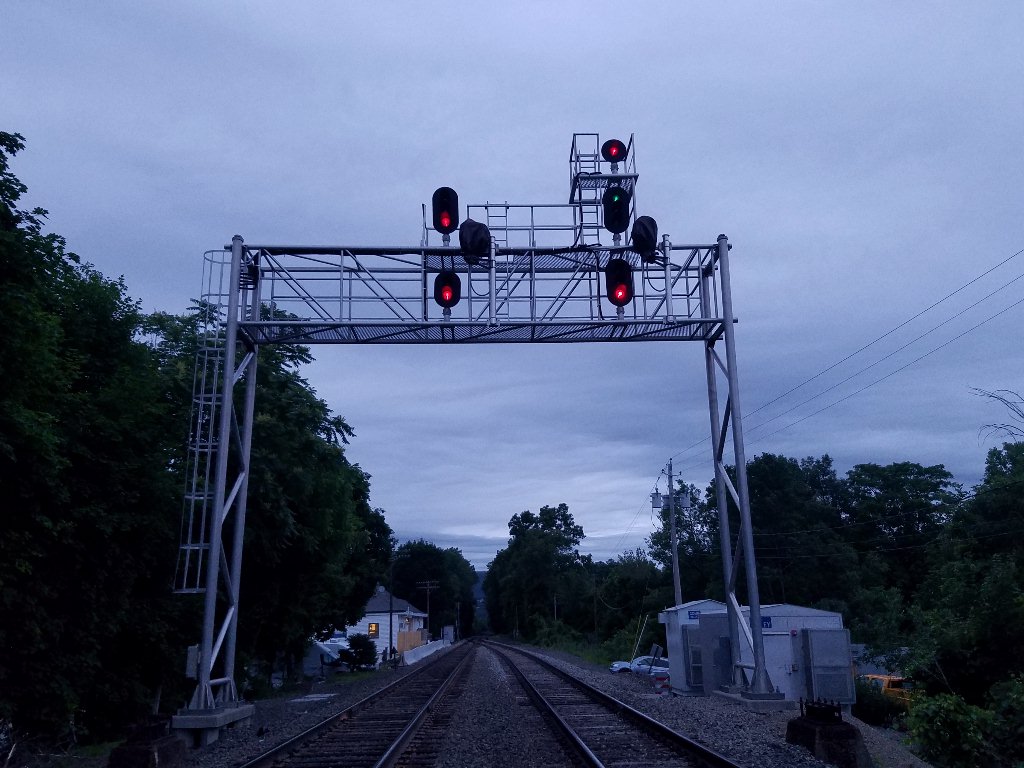 On behalf of a major commuter railway, we performed a systematic study to discover the root causes of project schedule delays associated with three major Capital Projects: upgrade of a wayside signal system on an entire line, installation of passenger area cameras in a locomotive-hauled fleet, and renewal of all overhead line equipment for catenary electrification in one area. In this project, we worked on-site directly with craft personnel responsible for the work, as well as their foremen and managers, to understand their concerns with the work process, project plan, support environment, and resource assignments. For the signal project, delays were attributed to front-loaded project task sequencing, low priority assigned during the early phases, and inspection issues involving contractors, all resolved by work resequencing and more detailed project progress tracking and reporting. In the camera project, the diversity of coaching stock designs and accumulated modifications were issues, requiring multiple prototypes and steep learning curves, which were resolved with instituting periodic technical project meetings and adding more engineering staff. The catenary electrification renewal project was delayed due to contractor personnel shortage and insufficient work windows, which required the most complex solution—involving planning regular mid-week work windows and re-prioritizing more disruptive upgrade work to the weekend when longer track outages were available. In all three cases, the project managers committed to more aggressive completion schedules based on their own process improvements, resource reallocation, as well as our recommendations.
Related Publications/Presentations:
Clearance Inventory and Planning for Double-Deck Passenger Equipment
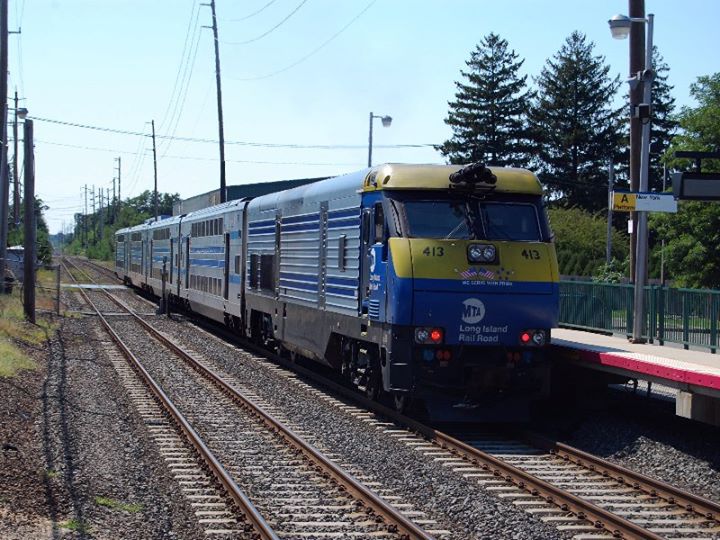 On behalf of a major passenger transport agency, we convened and progressed a clearance inventory project that aimed to provide a clear path for bi-level passenger coaching stock to enter a major downtown terminal through legacy tunnel infrastructure. This project involved multiple engineering areas and outside consultants, as it was necessary to examine the issue in an interdisciplinary way. The project team explored various approaches to make the car fit, including chamfering existing rolling stock designs, making minor and structural modifications to tunnel infrastructure, introducing speed restrictions as to reduce vehicle dynamic envelope, and upgrading track class to reduce maintenance tolerance. We also procured new clearance modelling software that enabled in-house engineering staff to manipulate LiDAR data and develop their own simulations of various clearance scenarios. Various operational and infrastructure changes required to support daily operation of higher rolling stock were identified by the project. This project is currently in full-scale physical testing based on a proposed car outline.
Cost Allocation in Shared Major Rail Corridor Assets
 We supported a major user/owner of a shared rail corridor and associated infrastructure during renegotiation of track access charges to determine the equitable sharing of operating and capital costs based on a variety of usage metrics under the prevailing governance framework. Due to legislation changes, all track access agreements in the corridor needed to be renegotiated and the new framework calls for cost allocation based on infrastructure ownership, maintenance and operations responsibility, and usage statistics. We were tasked to collect the necessary data to support such a model, to provide to the corridor-wide coordinating organization for their use. At the same time, we built our own cost-allocation models as a way to forecast the expected cost and revenue impacts of the changes, and to provide a means to verify the reasonableness of cost allocation methods and metrics proposed by others. This work enabled decisionmakers to understand the likely impacts of these changes ahead of official ratification of the new cost sharing framework, and helped to build consensus amongst all stakeholders. Additionally, we utilized a similar methodology when a freight operator (tenant) needed to renegotiate its track access charges due to changing business circumstances, and as a result was able to get the rates being charged closer to the fully allocated cost of operating and maintaining the infrastructure.
Railroad Operations and Alignment Design Support
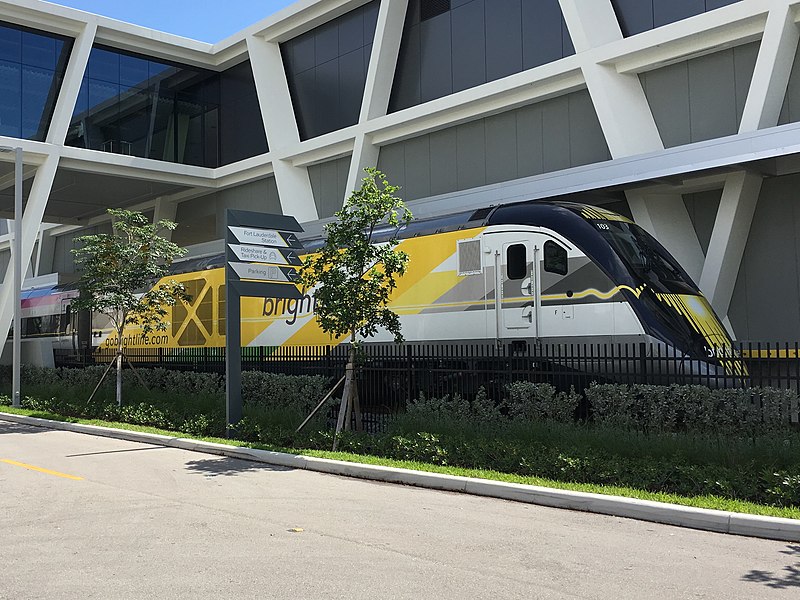
We provided specialized railroad technical support to a larger planning and engineering team that was performing an environmental impact and alternatives analysis on behalf of a state department of transportation that is contemplating several options for redeveloping a rail corridor for mixed commuter, intercity rail, and freight transportation use. Specifically, we laid out new alignment options at a conceptual engineering level to minimize property takings by re-using existing corridors. The new alignments we identified connected two parallel corridors at strategic locations to enable integrated service plans, to allow freight traffic to be routed onto a by-pass away from urban centres and reduce grade crossing risks. We also developed operating plans to show that overhead freight traffic can be routed through the area without delay while offering a robust schedule for commuter and intercity services operated under various growth scenarios. At this time, the project has been constructed, although with a substantially different form of governance and service plan than what we envisioned.
Note: Alex Lu performed this work as an employee of another firm.
New Start Commuter Rail Feasibility Studies
O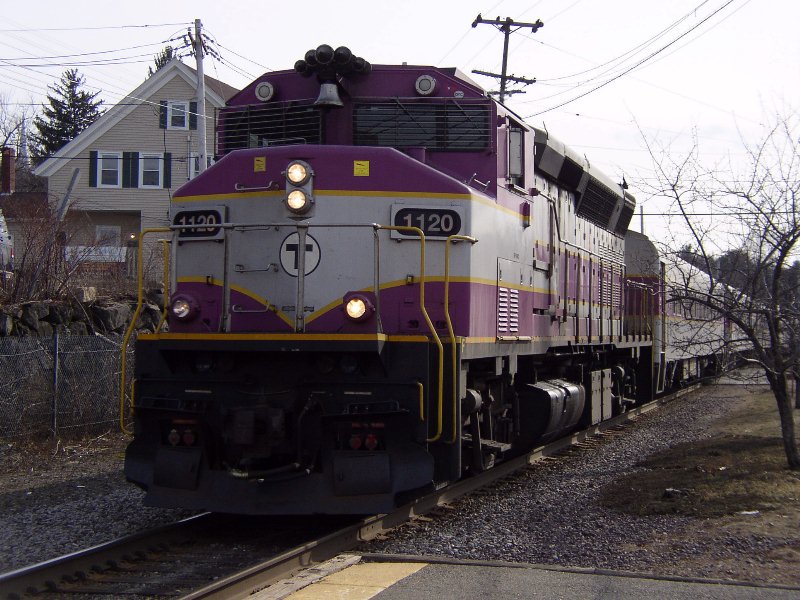 n behalf of numerous clients, we conducted pre-feasibility and feasibility studies on designated rail corridors of starting or reinstating commuter rail service. Typically a project would include:
- desktop exercise in ridership and revenue forecasting based on U.S. Census and other existing locally available data,
- defining a number of commuter rail alternatives in terms of service levels, station sites, technology, and other pertinent variables,
- order-of-magnitude estimate of required capital investment and a sketch level program based on field factfinding, and any existing infrastructure data provided by partner railroads,
- operating and maintenance cost estimate based on the service and infrastructure requirements, and prevailing rates of railway labour in the local area,
- sketch level service plan, including forecast journey times, schedules, vehicle cycles, and maintenance windows,
- assessment of local transport alternatives, including highway and other public transit options,
- review of existing local growth plans, commercial development strategy, to identify transit-supportive elements,
- preliminary review of real estate in the corridor to identify any potential acquisition difficulties, e.g. for parking,
- strategic overall assessment of likelihood in securing outside funding to initiate the capital investment scheme.
Note: Alex Lu performed this work as an employee of another firm.
Transit Plan for Major Property Redevelopment
 On behalf of a major institutional developer, we worked with a team of consultants to develop a custom trip generation and modal split model to predict the traffic and transit impacts of building out a 9.5 million square feet development over the next 30-50 years on the site of an existing freight rail yard and nearby underutilized sites. The developer’s stated goal was to minimize the automobile traffic impacts by diverting as much of the trips to transit as possible, and to convert some of these commuting trips to internal trips by building housing on-site and providing transit subsidies in lieu of parking spaces. We developed a number of scenarios based on the existing masterplan, developer’s inputs, and various assumptions about economic growth and the timing and programming of major construction projects. For some scenarios, we developed a detailed public transit plan, including projections on where within the metro area the development is likely to attract commuter and non-commuter trips, how these trips are best served by both existing public transit options and future transit investments that may progress independently of this development. Additionally, we developed proposals for re-routing of existing public bus routes and entirely new private bus shuttles that would serve this development, which would connect this area to the rest of the city.
Note: Alex Lu performed this work as an employee of another firm.
Rail Freight Solutions to Roadway Congestion: Issues Research
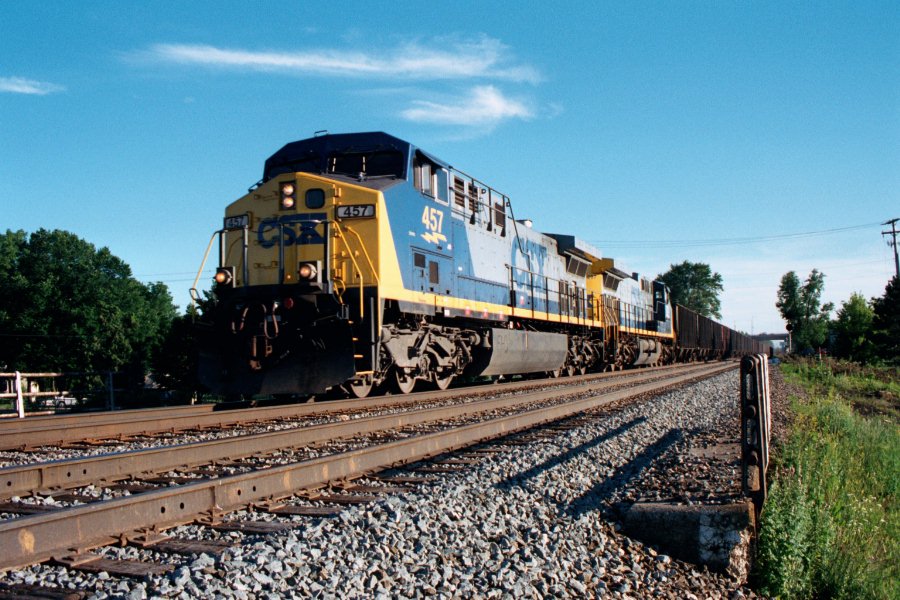 For a national transit research program, we were responsible for discovering and documenting issues involved in various different ideas that would leverage public sector investment in rail freight programs with a view towards solving highway congestion issues. As part of these projects, we essentially served as rail freight economics subject matter experts, and provided research and technical support in the following areas:
- case studies of current or proposed projects that have a public-sector rail freight investment component, which issues they have run into, and how those issues were solved;
- state-of-practice review for data sources in freight forecasting, and economic forecasting methodologies;
- innovative methods used by freight traffic forecasting practitioners to estimate the impacts of these schemes;
- methods for evaluating the benefits of railfreight investment, particularly in terms of community and environmental impacts;
- issues in shortline railroads, bulk transfer operations, transportation technology, and land-use trends.
Related Publications/Presentations:
- NCHRP 8-42 Rail Freight Solutions to Roadway Congestion
- NCHRP 8-43 Forecasting Statewide Freight Toolkit
- NCHRP 8-36 Task 43 Return on Investment on Freight Rail Capacity Improvement
Note: Alex Lu performed this work as an employee of another firm.
Strategic Plans for Rail Freight Business Development
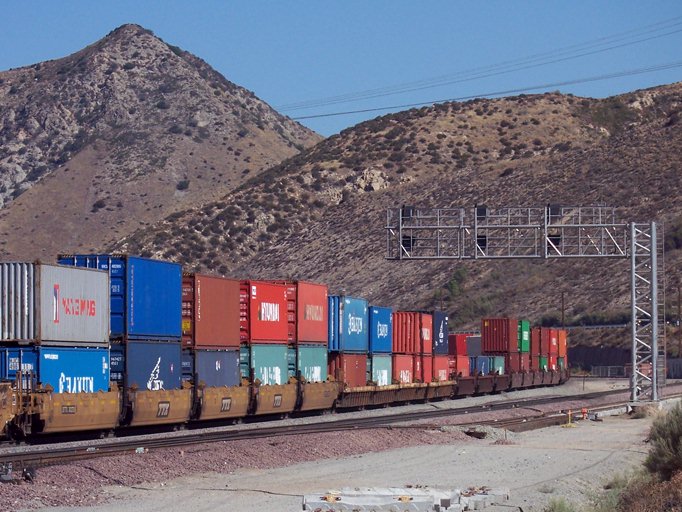
On behalf of a major truckload carrier, we worked with other consultants to develop market demand and existing supplier capacity assessments for a specialized type of intermodal rail freight transport, to determine the likelihood of success that our client would have in launching a service in this specialized market. We also provided various strategies and scenarios as to how this firm can take advantage of the known market conditions to maximize its likelihood of success. Using a proprietary database of freight commodity flows, we also identified corridors where we thought the firm could achieve a high market penetration soon after launch. For an inland port authority, we utilized a similar methodology to determine the market potential of developing an intermodal container service leveraging the port’s strategic geographic location and ready access to multiple major rail carriers. Using the same commodity flow database, we identified containerizable commodities, industrial sectors, and origin-destination lanes and markets where the port could have the best success in targeting new customers for this type of service.
Note: Alex Lu performed this work as an employee of another firm.
Route Strategies for National Rail Infrastructure Operator
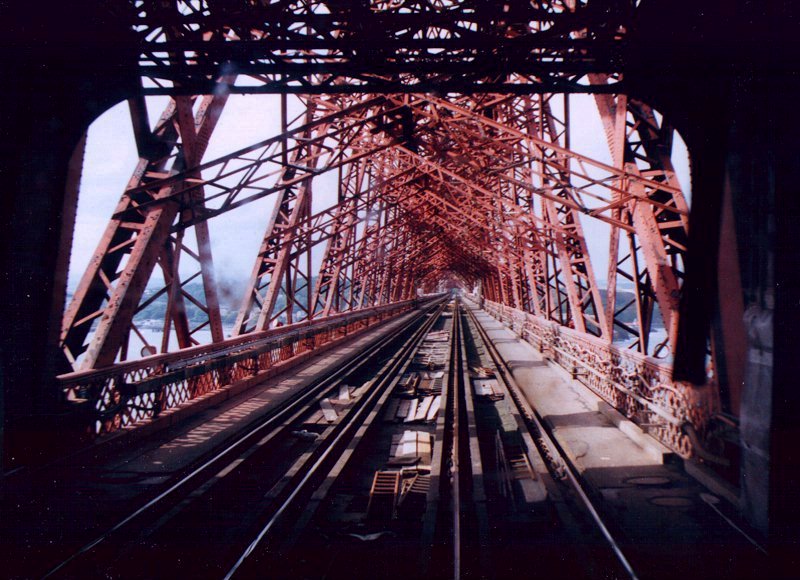 For a national rail infrastructure owner and operator, we provided analytical support to ascertain the various (route capability, route capacity, and journey time) impacts of investment in rail infrastructure on train operations. Our primary tasks included calibrating a sketch-level train-performance model using field-collected data and limited outputs from a more expensive engineering model; interpreting prevailing signalling rules and achieving an understanding of existing hardware to ascertain maximum practical and theoretical line capacity; conceptual design of alternatives for infrastructure alterations to relieve identified bottlenecks; and cash flow analyses to ensure that the proposed enhancement schemes fit within the envelope of available budget. Some of the ideas we identified have resulted in investment, although not always in the form initially envisaged. The strategic route investment planning process continues on a cyclical five-year basis.
Related Publications/Presentations:
- Network Management Statement (incorporating Route Strategy for Scotland Zone)
Journey Time Reduction Through Permanent Speed Restriction Review
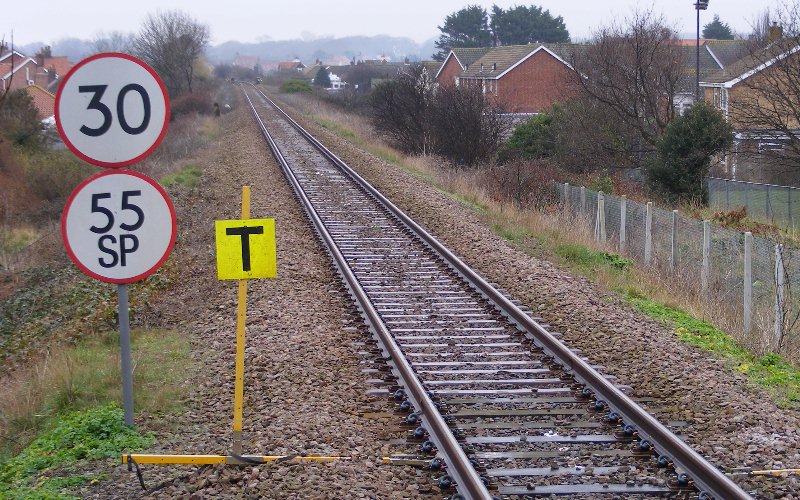
On behalf of a rail infrastructure owner, we worked with in-house track, signal, and structural engineers as well as an engineering consultant to perform a review of all permanent speed restrictions on a number of high ridership corridors. We reviewed operating documents to identify civil speed restrictions throughout the study area rail network, and by using a train performance calculator, we determined those with the most impact to journey time for non-stop express trains and for local trains. Based on the result of the traction performance study, we arranged meetings with the relevant engineering areas to discover and document the reasons for each civil speed restriction. The engineering consultant provided the top speed potential given the existing track geometry and use of exceptional cant deficiency (underbalance). On occasions, multiple constraints were discovered as having contributed to one speed restriction (e.g. clearance issues or track geometry may restrict maximum authorized speeds, but even if those were removed through e.g. track realignment and resurfacing, spacing between distant and home signals may not permit speeds to be raised above a certain level unless additional work was done to relocate existing signal heads, which could trigger a signal system redesign in high density areas.) Based on the engineering findings, order-of-magnitude cost estimates for modifying the infrastructure constraints, and number of trains affected by each restriction, we produced a prioritized list of schemes to improve journey time performance in specific corridors. This programme of speed improvements formed an input to the national route utilization strategy and a basis for negotiating cost sharing agreements with train operating companies.