
Tag: research
Observational Study of Subway Customer Seat Preferences
 For a major metro system, we performed an observational study of how customers tended to distribute themselves within each vehicle, with a view towards making recommendations about vehicle design (e.g. door, pole, and seat placement), and to reduce station dwell time. The plastic bench seats installed are otherwise highly homogeneous, but we identified special attributes such as adjacency to doors, whether a partition was present, or if the seating was longitudinal, transverse, facing or back to the direction of travel, and discovered patterns in customer seat choice. Results, based on seating- and standing-room occupancy probability statistics, show customers generally prefer seats adjacent to doors, no real preference for seats adjacent to support stanchions, but active disdain for bench spots between two other seats. On cars featuring transverse seating, customers prefer window seats, but have almost equal preference for backward- or forward-facing seats. No demographic differences were found amongst seated passengers, but as load factor increased, men had higher probabilities of being standees compared to women. 90% seat utilization is only achieved at 120% load factor; furthermore, standing customers strongly prefer to crowd vestibule areas between doors (particularly in cars with symmetric door arrangements), and hold onto vertical poles. We recommended that future railcars where possible should ideally be designed with asymmetric door apertures, 2+2+2 partitioned longitudinal seats, and no stanchions or partitions near doorways. This study received substantial attention within the research community and spawned similar studies in other cities of customer seating preferences, including some employing survey and focus group methods, thereby indirectly improving railcar seating layouts in a number of U.S. cities.
Related Publications/Presentations:
International Metro Benchmarking on Governance Frameworks
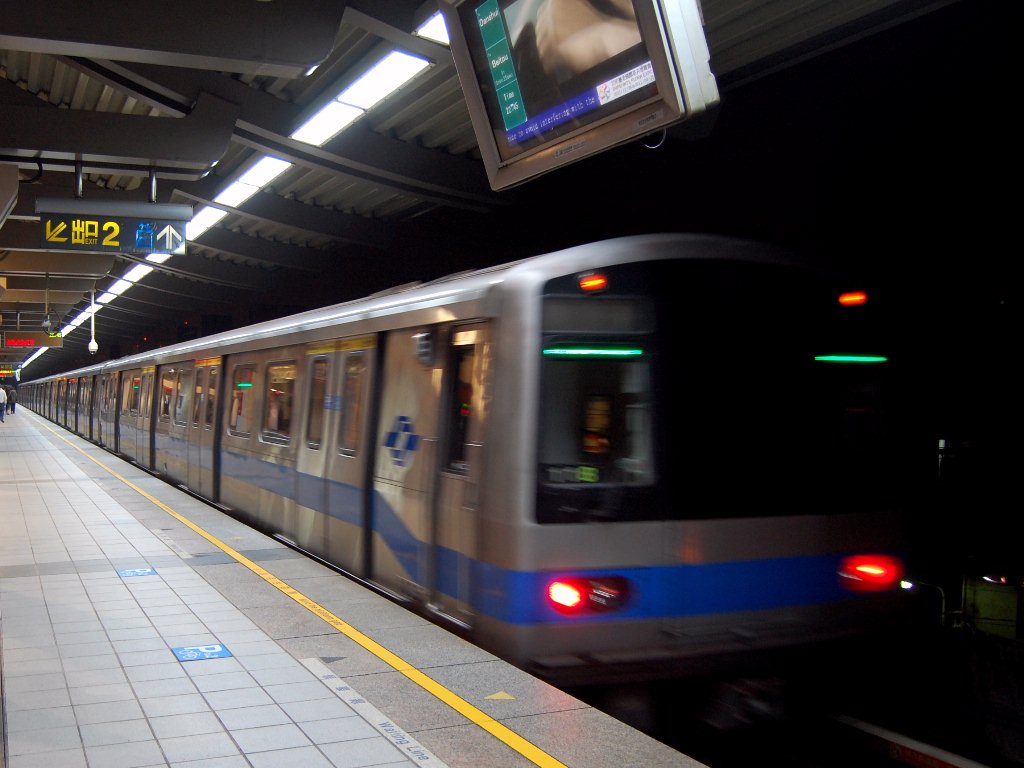 As a spin-off of a national research and training program, we were tasked to determine through publicly available information why many South East Asian transit properties visited by the program delegation have reportedly positive cash flows, i.e. are “profitable”. We found through a detailed comparative analysis of demand densities, asset utilization, regulatory frameworks, performance regimes, operating practices, and softer cultural factors that in fact only the “prudent commercial” portion of the Hong Kong Mass Transit Railway were profitable in the purest sense where farebox revenues exceeded operating expense plus the long term cost of capital renewal. In other cities, the operators are more akin to concessioned carriers or management contractors where at least some infrastructure costs were separated from the operating entity using a variety of financial devices. These systems also received various real estate grants in transactions reminiscent of U.S. “land grant” railroads and have more autonomy and commercial freedom to develop their transit-oriented property holdings. Large metro systems in the U.S. had made network design choices with consequences in density and utilization, which explain some of the higher productivities observed in Asia. We conclude that direct comparisons in performance, profitability, and productivity should be avoided unless care is taken to analyze impacts of governance, social contexts, design criteria, and reasons for these differences. Nonetheless, we believe benchmarking exercises can yield valuable insights for operations improvement under prevailing local constraints.
Related Publications/Presentations:
Shared Use of Railroad Infrastructure: Practical Field Research
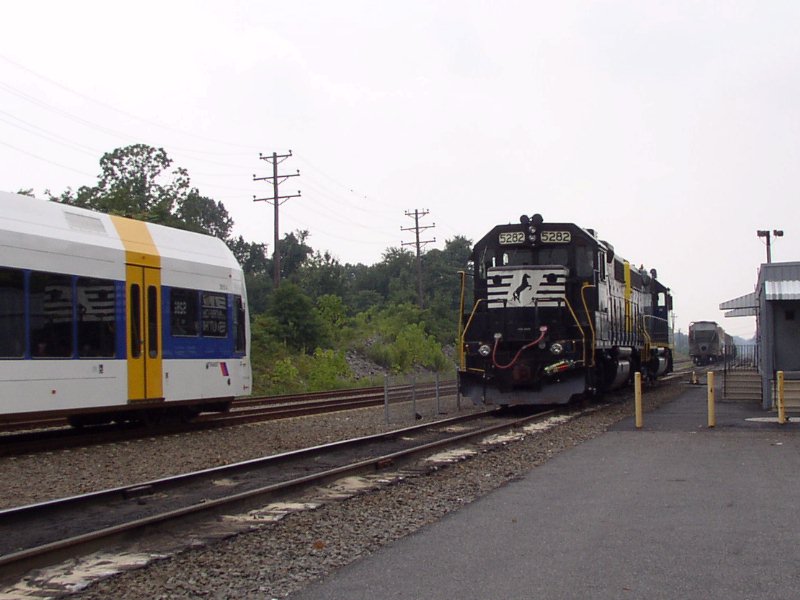 For a national transit research program, we were responsible for researching and writing a report on the shared use of railroad infrastructure by non-compliant light rail vehicles. At that time, the use of Federal Railroad Administration (FRA) waivers for operating light rail cars on general system of railroads was in its nascent years, and the concept of temporal or spatial separation was still in development. As part of this project, we visited a number of properties that have existing waivers. Through interviews with stakeholders, technical specialists, and transit managers, we determined the essential elements and conditions that allowed the system to operate safely and likely receive FRA waiver approval. We identified suitable train control technologies, their performance, costs, and operational impacts. We also determined common procedural and regulatory approaches, and methods for costsharing, staffing, and emergency recovery.
Related Publications/Presentations:
- Shared Use of Railroad Infrastructure with Noncompliant Public Transit Rail Vehicles: A Practitioner’s Guide
- Business Model for Commingled Operations of Freight and Non-FRA-Compliant Passenger Rail Services
Note: Alex Lu performed this work as an employee of another firm.
Critical Incident Response in Rail Control Centers: Research
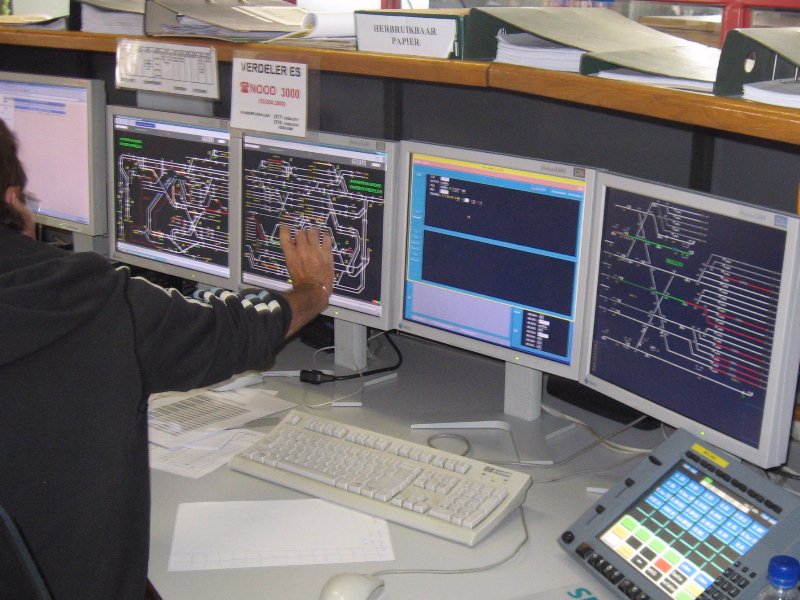
For the Signal & Telecoms dept. of a major passenger railway, we developed a research report for an executive audience describing at a functional level the command and control systems under their purview, and documented existing incident response procedures and plans for the purposes of a security audit. At the time, senior leadership were reviewing existing organizational structures, specifically regarding which hardware, software, and network maintenance functions were a core part of railway operations and maintenance, were support functions that belong in corporate I.T., or were performed by outside vendors. We were successful in establishing and documenting that the operation and maintenance of signal and power control systems, although they utilize certain commodity hardware components, were so tightly integrated with low-level embedded railway operating devices (such as vital interlocking processors, high voltage circuit breakers, and positive train control communication systems) that it would have undue negative impacts on railway operations to have a separate team responsible for their maintenance. We also demonstrated that the existing critical cyber security incident response procedures were at least as effective as those utilized by corporate I.T. security, and that the system is capable of operating with temporarily degraded functionality without compromising the safety of railway operations.
Rail Freight Solutions to Roadway Congestion: Issues Research
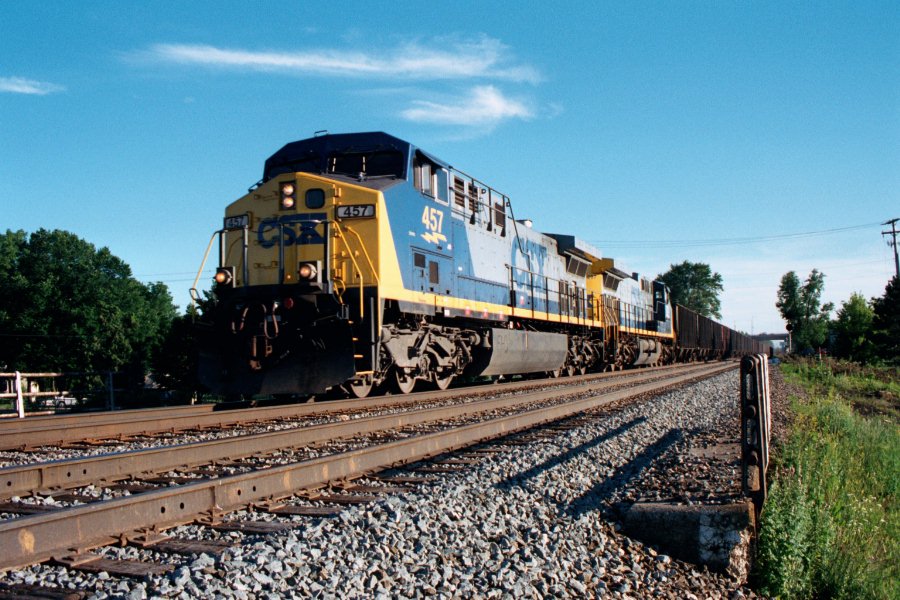 For a national transit research program, we were responsible for discovering and documenting issues involved in various different ideas that would leverage public sector investment in rail freight programs with a view towards solving highway congestion issues. As part of these projects, we essentially served as rail freight economics subject matter experts, and provided research and technical support in the following areas:
- case studies of current or proposed projects that have a public-sector rail freight investment component, which issues they have run into, and how those issues were solved;
- state-of-practice review for data sources in freight forecasting, and economic forecasting methodologies;
- innovative methods used by freight traffic forecasting practitioners to estimate the impacts of these schemes;
- methods for evaluating the benefits of railfreight investment, particularly in terms of community and environmental impacts;
- issues in shortline railroads, bulk transfer operations, transportation technology, and land-use trends.
Related Publications/Presentations:
- NCHRP 8-42 Rail Freight Solutions to Roadway Congestion
- NCHRP 8-43 Forecasting Statewide Freight Toolkit
- NCHRP 8-36 Task 43 Return on Investment on Freight Rail Capacity Improvement
Note: Alex Lu performed this work as an employee of another firm.
Visual Interfaces for Real-Time Customer Information Systems
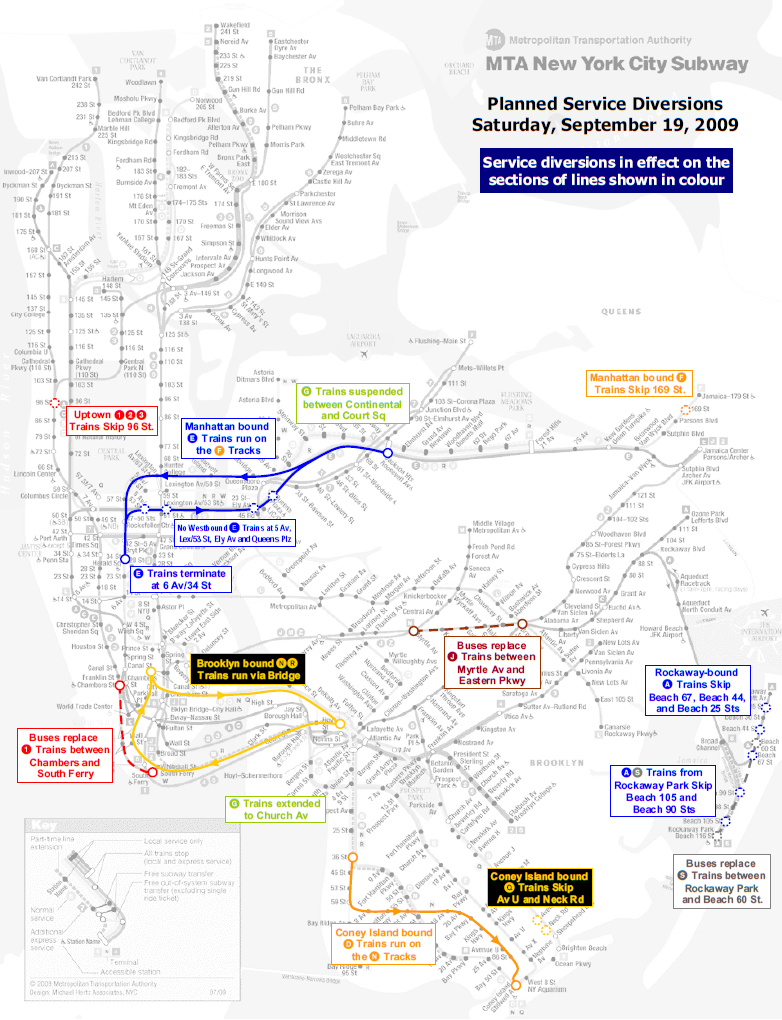
 For a subway line general manager (LGM), we designed and prototyped customer communication visual interfaces for use at senior management meetings where these alternatives were debated and systemwide standards set. At that time, the subway was being managed as a number of stand-alone lines and each LGM were responsible for their own area as well as pushing initiatives to improve systemwide best practices. We provided prototypes for a map capable of communicating planned service changes, and an interface for a customer information system (designed for use in subway stations) capable of displaying system status in real time, as a strategy to promulgate this practice. We performed industry-wide research to ascertain if similar products already existed and sought to keep the design consistent with other operator where this was possible. However, due to the uniquely complex subway system in this city, this was not possible for the service change map, and a brand new design had to be created. The real-time status display was based on systems already in common use within the airline and mainline passenger railroad industries, giving customers a sense of familiarity. Later we provided a functioning prototype to assist decisionmakers in visualizing and advancing a pilot project. In both cases, the communication initiatives advanced by the LGM were eventually adopted by the system and further development by outside vendors took place based on our prototype designs.