
Tag: scheduling
Automated Daily Analysis of Temporary Speed Restrictions
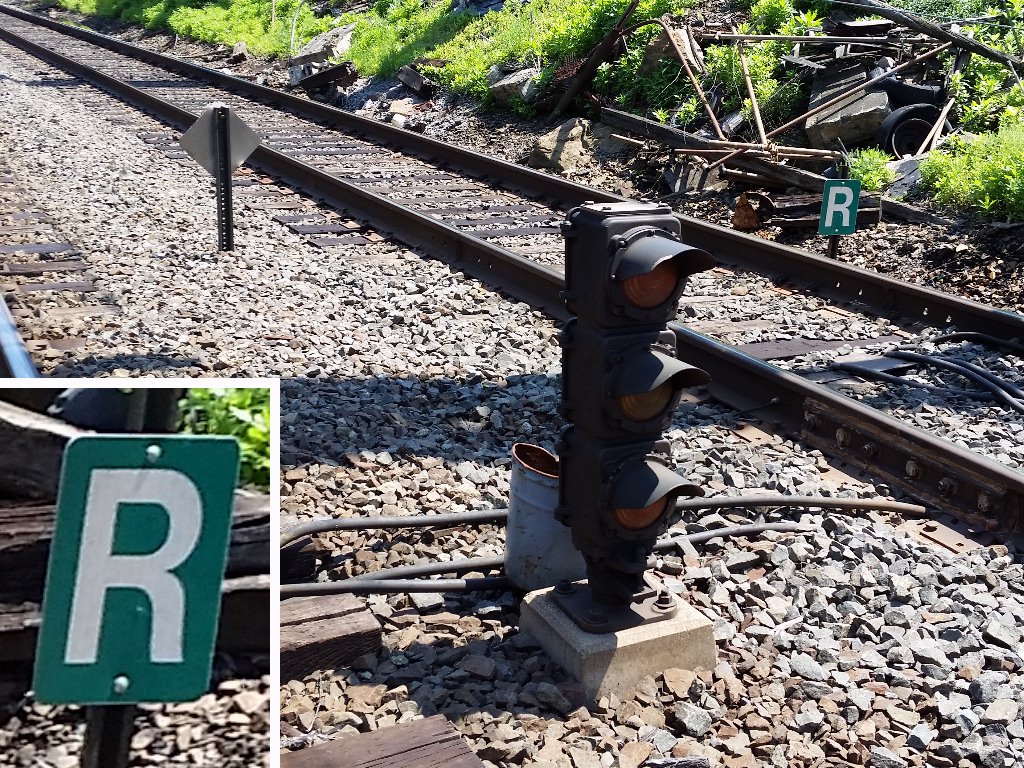 For a regional passenger railroad, we instituted daily automated analysis of temporary speed restrictions (TSRs) to enable senior managers to understand quantitatively the impact that daily and long-term track maintenance work was having on the service. At that time, the railroad had a paper-based process that issued daily TSR bulletins to train & engine employees, but did not systematically capture delays associated with these TSRs. We designed a process that predicted number of trains affected by these TSRs (which may affect only one of four tracks, therefore did not necessarily impact every train passing the location), and a simplified train performance calculator that simulated the effect of braking from normal linespeed, traversing the restriction, accelerating out of it, time required for radio communications, and any nearby station stops that may reduce the resulting delays. This data became an infrastructure performance measure that was monitored by the senior leadership.
Track and Power Outage Planning Process Review
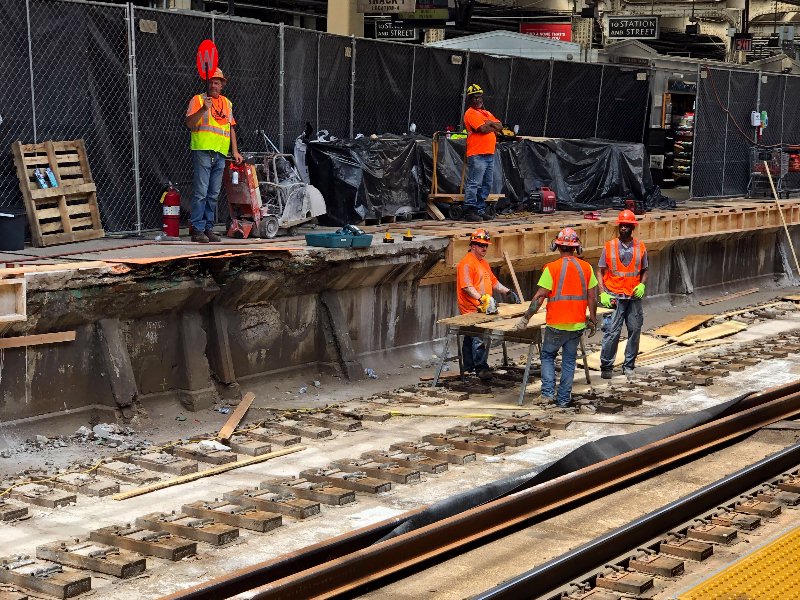
For a major commuter railroad, we were tasked to review the processes utilized in planning for, and resolving conflicts inherent in, track outages required for routine maintenance work and major capital projects. The remit also included a review of software tools that could be utilized, scheduling techniques that could provide longer windows of outage opportunities, and benchmarking with other passenger rail operators to identify possible improvements. We attended many track outage coordination meetings and concluded generally that existing processes were effective as long as participants had the necessary level of operations/construction knowledge, sufficient information about the (maintenance and capital) work to be accomplished, good understanding of their own resource requirements and availability, and properly communicate this information succinctly. Although other rail operators utilized web-based software for more detailed advance planning or had a more regimented process that reduced possibilities of errors or misunderstandings, they also forfeit some flexibility our client had available in terms of responding to short-term changes of plan due to e.g. last minute resourcing or weather-related issues. The scheduling rules for outage request/approvals, and base schedules when work was likely to occur, were written as to generally avoid having to issue a revised or special public timetable to accommodate any reasonably foreseeable work, which preserves operational flexibility for both maintenance work scope changes and in case of train delays due to incidents. However, we recommended that special schedules should be issued to accommodate major projects, as to improve the bandwidth available for project work and reduce both the instances of outages required and overall project costs. As a follow-up, we were tasked to review the power outage planning process within the context of accelerating a major investment programme; our findings were broadly similar, and their implementation resulted in faster rate of progress in the project.
Point-to-Point Running Time and Schedule Accuracy Analysis
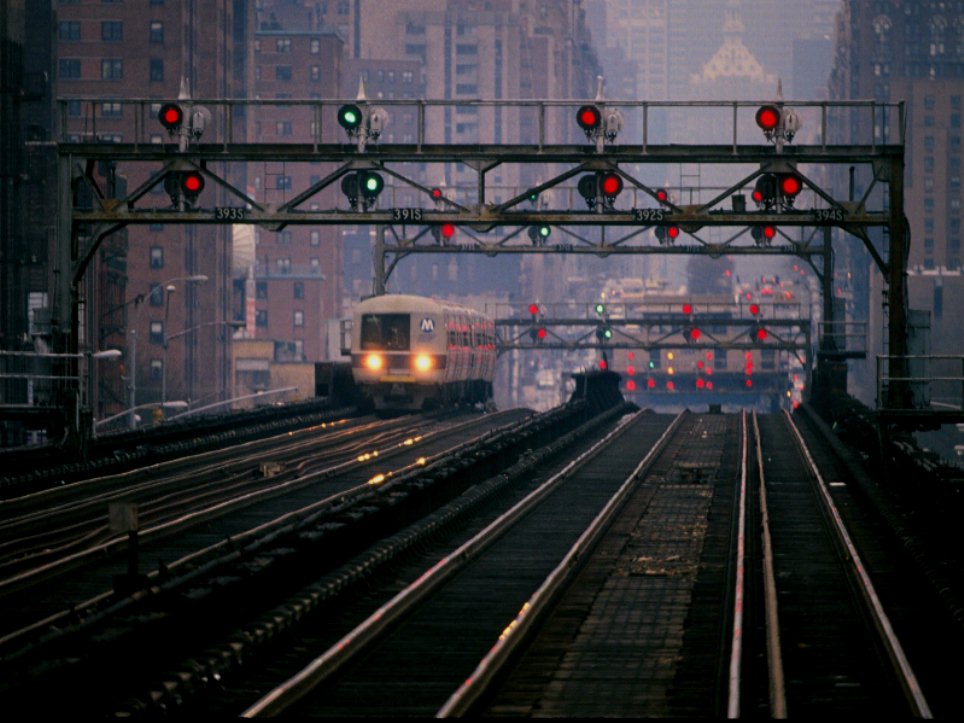 One major Northeastern passenger railroad had a period during late 2013 when train running times between interlocking control points were changing on a weekly basis due to moving infrastructure upgrade and maintenance projects. We were responsible for the near real-time analysis of track circuit occupancy data from train tracker software to determine whether sufficient running time was being provided in the operating schedules to ensure reliable operation and accurate arrival time predictions. We informed the train scheduling process by provide a scientific basis for running time adjustments by developing lateness, running time, variability, and delay cause analysis, and provided heat-map visualizations for senior management.
Related Publications/Presentations:
Business Case for Friday Exception Schedules in Urban Transit
 For a major regional transit authority, we developed a strategic business case for providing separate baseline schedules on Fridays distinct from other weekdays due to significantly different time-of-day and geographical ridership patterns. At that time, regular commuters were trending towards more flexible work scheduling, telecommuting arrangements, and 4½-day weeks especially in the summer, and we observed from Automated Fare Collection (AFC) data that the gaps between midweek and Friday ridership have widened. These Friday exception schedules are not unusual: transit operators ran full Saturday lunchtime rush-hours in the interwar years, while private bus companies, airlines, and freight railroads operate many exceptions today. They can help the operator better match service supply to passenger demand. We found through longitudinal analysis of data that more regular commuters skipped Friday’s trip than other weekdays’. Detailed analysis for 14 representative routes revealed 4.7% lower ridership on Fridays, potentially allowing 7.4% reductions in vehicle-hours operated. Available savings were route-specific, with 25% service reductions possible on some, whereas 25% service fortification was required on leisure-heavy routes having increased Friday ridership. We estimated that implementing separate Friday base schedules systemwide could provide an annual surplus of $10~$17 million for reinvestment elsewhere in the network. From a crewing perspective, we found that the resulting reduced Friday crew requirements could lead to an 1.8% increase in desirable weekend-inclusive regular days-off rosters, and 2.4% reduction in non-preferred midweek days-off rosters. Our recommendation was for the continued implementation of a computerized run-cutting system, and creation of routine analytical processes for multi-variate ridership analysis allowing differences across days, routes, time periods, and other variables to be determined, which together will form the prerequisites for implementing a separate Friday base schedule.
Related Publications/Presentations:
Operating Plan Production in a Suburban Train Network
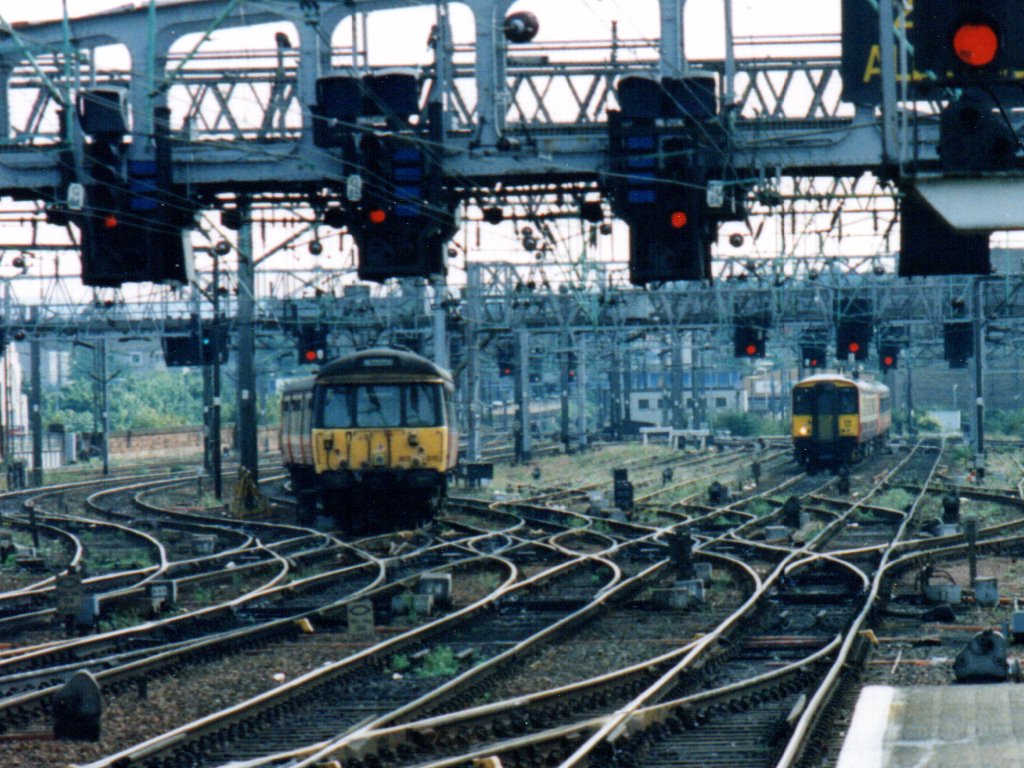 For a train operating company, we were responsible for all long-term and short-term schedule planning relating to a network of suburban electric trains that covered five depots, two equipment types, four terminals, and a branching structure including alternate paths, single track segments, and flat junctions. The outputs included working timetables, vehicle diagrams (set manipulations), train crew schedules (work programs), and public timetables. Constraints included labour agreements, train servicing needs, set storage issues, and various infrastructure related constraints. The crewing agreements required mid-route reliefs, physical needs breaks, and daily return to home terminal. The short term operating plans covered engineering related circumstances where special arrangements were required, such as turning sets on the main line, arranging for shuttles where line is blocked in the middle, and additional single line working if one track is closed. Built into this work is the need to ensure conflicts do not occur en-route where two trains are scheduled to use the same track segment or interlocking at the same time, which is both infeasible and has safety implications. Another consideration is to ensure the plan is robust, such that small perturbations to either train departure times or minor irregularities in crewing does not result in network-wide delays or train cancellations. Aside from producing feasible pairings where every train and every set is covered by a valid crew, we were also responsible for minimizing the resource requirements for cost control and flexibility reasons. Additionally, at that time the company was testing a new operating plan database software, so we participated in the testing and documented any anomalies we found.