
Tag: strategy
Expediting Capital Project Completion Through Root Cause Identification
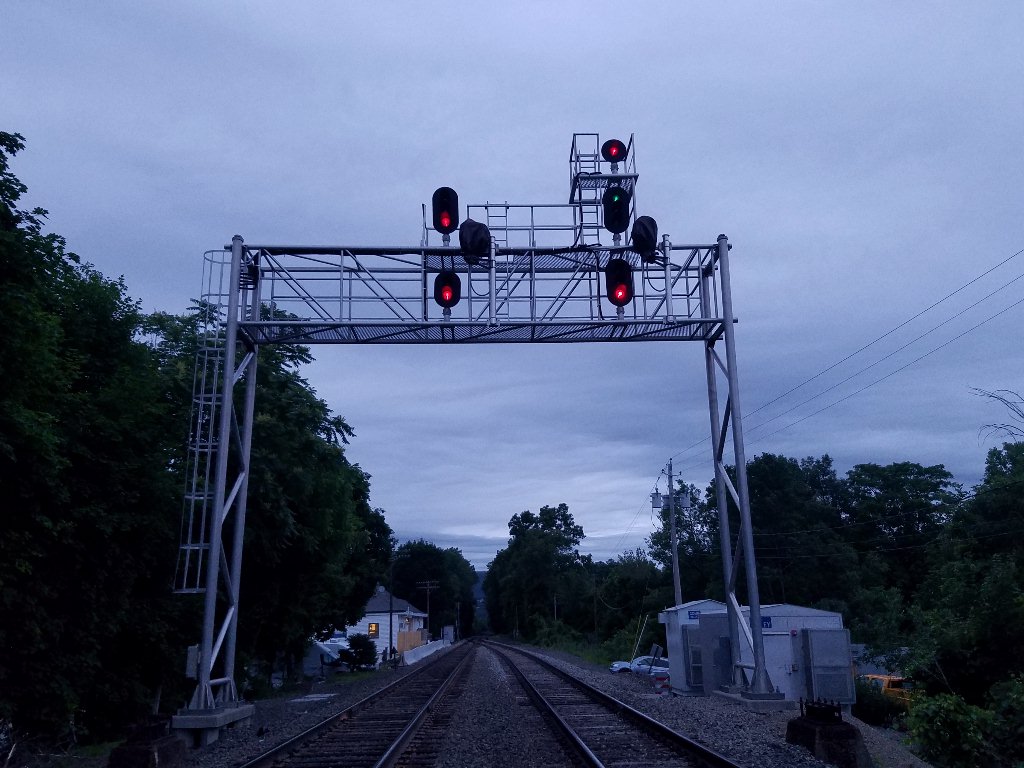 On behalf of a major commuter railway, we performed a systematic study to discover the root causes of project schedule delays associated with three major Capital Projects: upgrade of a wayside signal system on an entire line, installation of passenger area cameras in a locomotive-hauled fleet, and renewal of all overhead line equipment for catenary electrification in one area. In this project, we worked on-site directly with craft personnel responsible for the work, as well as their foremen and managers, to understand their concerns with the work process, project plan, support environment, and resource assignments. For the signal project, delays were attributed to front-loaded project task sequencing, low priority assigned during the early phases, and inspection issues involving contractors, all resolved by work resequencing and more detailed project progress tracking and reporting. In the camera project, the diversity of coaching stock designs and accumulated modifications were issues, requiring multiple prototypes and steep learning curves, which were resolved with instituting periodic technical project meetings and adding more engineering staff. The catenary electrification renewal project was delayed due to contractor personnel shortage and insufficient work windows, which required the most complex solution—involving planning regular mid-week work windows and re-prioritizing more disruptive upgrade work to the weekend when longer track outages were available. In all three cases, the project managers committed to more aggressive completion schedules based on their own process improvements, resource reallocation, as well as our recommendations.
Related Publications/Presentations:
Clearance Inventory and Planning for Double-Deck Passenger Equipment
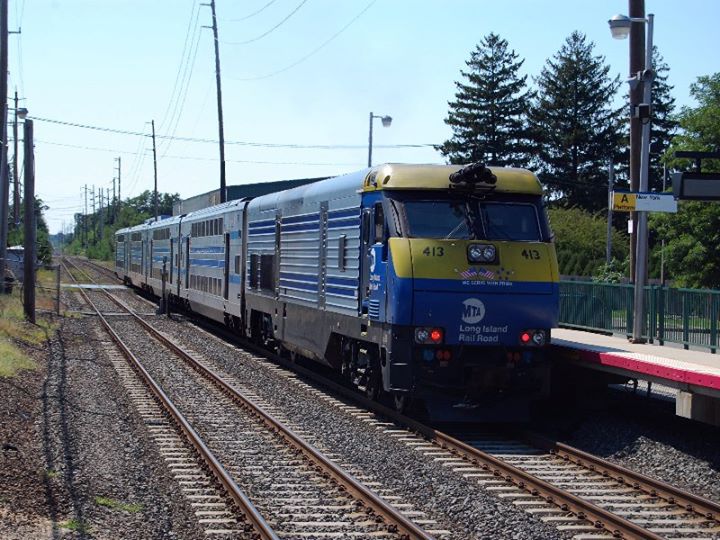 On behalf of a major passenger transport agency, we convened and progressed a clearance inventory project that aimed to provide a clear path for bi-level passenger coaching stock to enter a major downtown terminal through legacy tunnel infrastructure. This project involved multiple engineering areas and outside consultants, as it was necessary to examine the issue in an interdisciplinary way. The project team explored various approaches to make the car fit, including chamfering existing rolling stock designs, making minor and structural modifications to tunnel infrastructure, introducing speed restrictions as to reduce vehicle dynamic envelope, and upgrading track class to reduce maintenance tolerance. We also procured new clearance modelling software that enabled in-house engineering staff to manipulate LiDAR data and develop their own simulations of various clearance scenarios. Various operational and infrastructure changes required to support daily operation of higher rolling stock were identified by the project. This project is currently in full-scale physical testing based on a proposed car outline.
Business Case for Friday Exception Schedules in Urban Transit
 For a major regional transit authority, we developed a strategic business case for providing separate baseline schedules on Fridays distinct from other weekdays due to significantly different time-of-day and geographical ridership patterns. At that time, regular commuters were trending towards more flexible work scheduling, telecommuting arrangements, and 4½-day weeks especially in the summer, and we observed from Automated Fare Collection (AFC) data that the gaps between midweek and Friday ridership have widened. These Friday exception schedules are not unusual: transit operators ran full Saturday lunchtime rush-hours in the interwar years, while private bus companies, airlines, and freight railroads operate many exceptions today. They can help the operator better match service supply to passenger demand. We found through longitudinal analysis of data that more regular commuters skipped Friday’s trip than other weekdays’. Detailed analysis for 14 representative routes revealed 4.7% lower ridership on Fridays, potentially allowing 7.4% reductions in vehicle-hours operated. Available savings were route-specific, with 25% service reductions possible on some, whereas 25% service fortification was required on leisure-heavy routes having increased Friday ridership. We estimated that implementing separate Friday base schedules systemwide could provide an annual surplus of $10~$17 million for reinvestment elsewhere in the network. From a crewing perspective, we found that the resulting reduced Friday crew requirements could lead to an 1.8% increase in desirable weekend-inclusive regular days-off rosters, and 2.4% reduction in non-preferred midweek days-off rosters. Our recommendation was for the continued implementation of a computerized run-cutting system, and creation of routine analytical processes for multi-variate ridership analysis allowing differences across days, routes, time periods, and other variables to be determined, which together will form the prerequisites for implementing a separate Friday base schedule.
Related Publications/Presentations:
Organizational Development of Innovative Functions
 For a number of railway organizations, we were responsible for either developing a brand new team to perform a specific function that had hitherto not been performed in-house, or for reviewing an existing group that has had its regular function and responsibilities transformed so fundamentally that a new organizational structure was needed for it to be effective. In one case, we took a unit that had various data-related responsibilities such as surveying, reporting, datamining, big data analytics, regulatory compliance, and quantitative model development, and reorganized it such that the routine data production activities were separated from the research and development activities, and from the I.T. support functions that provided the computer infrastructure on top of which all of those activities took place. For another group, we designed the decentralized organization that would together support the enterprise geographic information system (GIS) by recommending that a small core companywide GIS group was supplemented by designated representatives (both existing and new staff) embedded within various other functional units that would offer the more specialized skills required within their department (e.g. land surveying, demographic analysis, engineering, archiving) but also serve as liaison to the central unit. In another case, we developed an industrial engineering and resource review function from scratch. We also worked on an organization plan that distributed certain compliance responsibilities to subject matter experts within the appropriate areas with one manager serving as overall coordinator. In many of these cases, our organizational plan was implemented, usually with minor modifications, by the business. In one last case, we were tasked with documenting the workflow, roles and responsibilities, and business processes of an existing organization with many ad-hoc and miscellaneous tasks in a detailed and defensible way, to forestall efforts by outside forces to dismantle the unit. We ultimately contributed to their success in preventing that team from being broken up, and helped others achieve a better understanding of that group.
International Metro Benchmarking on Governance Frameworks
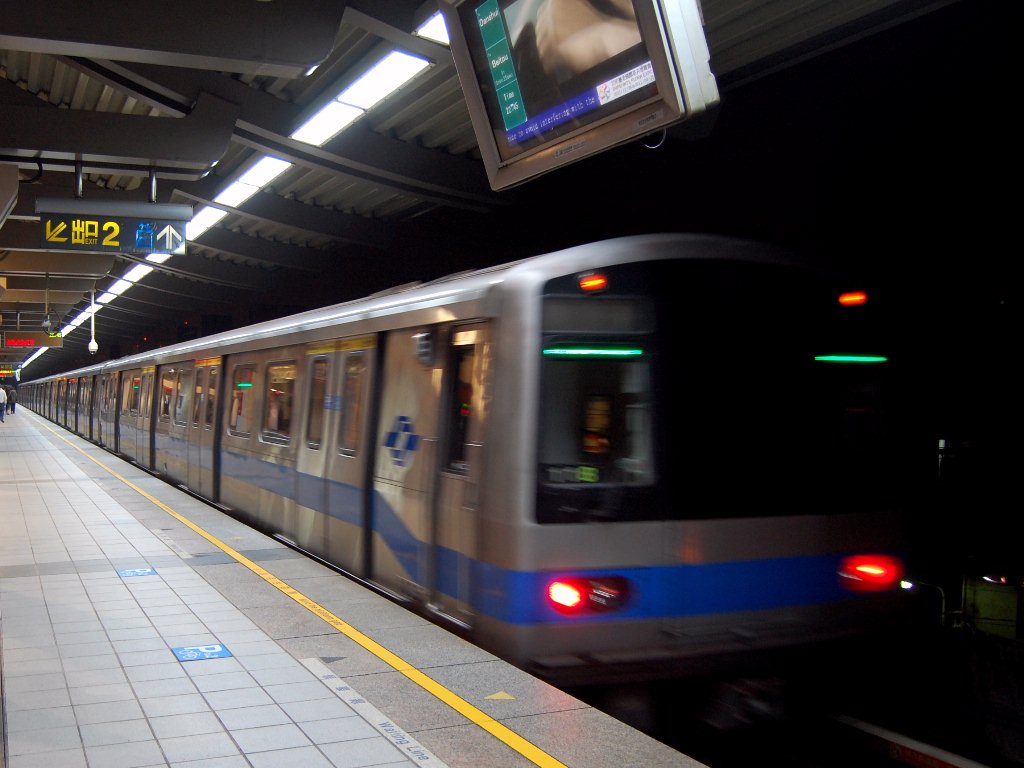 As a spin-off of a national research and training program, we were tasked to determine through publicly available information why many South East Asian transit properties visited by the program delegation have reportedly positive cash flows, i.e. are “profitable”. We found through a detailed comparative analysis of demand densities, asset utilization, regulatory frameworks, performance regimes, operating practices, and softer cultural factors that in fact only the “prudent commercial” portion of the Hong Kong Mass Transit Railway were profitable in the purest sense where farebox revenues exceeded operating expense plus the long term cost of capital renewal. In other cities, the operators are more akin to concessioned carriers or management contractors where at least some infrastructure costs were separated from the operating entity using a variety of financial devices. These systems also received various real estate grants in transactions reminiscent of U.S. “land grant” railroads and have more autonomy and commercial freedom to develop their transit-oriented property holdings. Large metro systems in the U.S. had made network design choices with consequences in density and utilization, which explain some of the higher productivities observed in Asia. We conclude that direct comparisons in performance, profitability, and productivity should be avoided unless care is taken to analyze impacts of governance, social contexts, design criteria, and reasons for these differences. Nonetheless, we believe benchmarking exercises can yield valuable insights for operations improvement under prevailing local constraints.
Related Publications/Presentations:
Transit Plan for Major Property Redevelopment
 On behalf of a major institutional developer, we worked with a team of consultants to develop a custom trip generation and modal split model to predict the traffic and transit impacts of building out a 9.5 million square feet development over the next 30-50 years on the site of an existing freight rail yard and nearby underutilized sites. The developer’s stated goal was to minimize the automobile traffic impacts by diverting as much of the trips to transit as possible, and to convert some of these commuting trips to internal trips by building housing on-site and providing transit subsidies in lieu of parking spaces. We developed a number of scenarios based on the existing masterplan, developer’s inputs, and various assumptions about economic growth and the timing and programming of major construction projects. For some scenarios, we developed a detailed public transit plan, including projections on where within the metro area the development is likely to attract commuter and non-commuter trips, how these trips are best served by both existing public transit options and future transit investments that may progress independently of this development. Additionally, we developed proposals for re-routing of existing public bus routes and entirely new private bus shuttles that would serve this development, which would connect this area to the rest of the city.
Note: Alex Lu performed this work as an employee of another firm.
Critical Incident Response in Rail Control Centers: Research
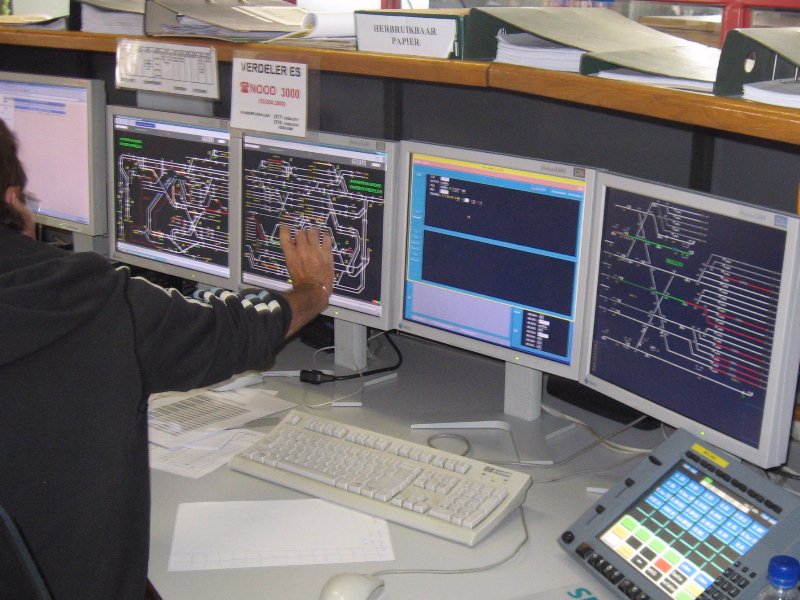
For the Signal & Telecoms dept. of a major passenger railway, we developed a research report for an executive audience describing at a functional level the command and control systems under their purview, and documented existing incident response procedures and plans for the purposes of a security audit. At the time, senior leadership were reviewing existing organizational structures, specifically regarding which hardware, software, and network maintenance functions were a core part of railway operations and maintenance, were support functions that belong in corporate I.T., or were performed by outside vendors. We were successful in establishing and documenting that the operation and maintenance of signal and power control systems, although they utilize certain commodity hardware components, were so tightly integrated with low-level embedded railway operating devices (such as vital interlocking processors, high voltage circuit breakers, and positive train control communication systems) that it would have undue negative impacts on railway operations to have a separate team responsible for their maintenance. We also demonstrated that the existing critical cyber security incident response procedures were at least as effective as those utilized by corporate I.T. security, and that the system is capable of operating with temporarily degraded functionality without compromising the safety of railway operations.
Strategic Plans for Rail Freight Business Development
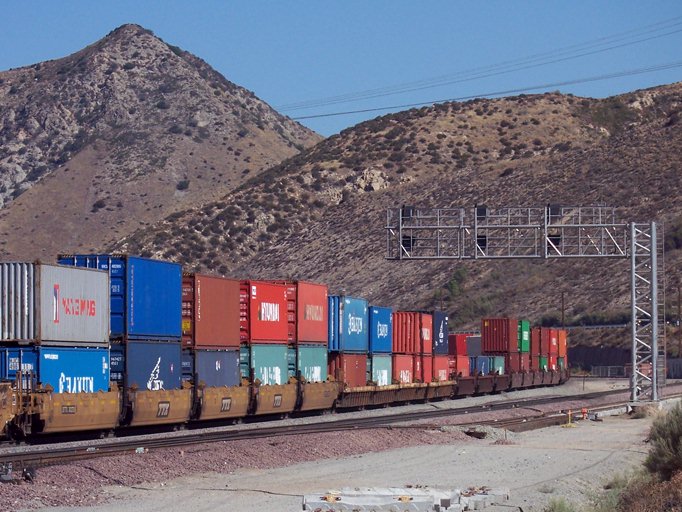
On behalf of a major truckload carrier, we worked with other consultants to develop market demand and existing supplier capacity assessments for a specialized type of intermodal rail freight transport, to determine the likelihood of success that our client would have in launching a service in this specialized market. We also provided various strategies and scenarios as to how this firm can take advantage of the known market conditions to maximize its likelihood of success. Using a proprietary database of freight commodity flows, we also identified corridors where we thought the firm could achieve a high market penetration soon after launch. For an inland port authority, we utilized a similar methodology to determine the market potential of developing an intermodal container service leveraging the port’s strategic geographic location and ready access to multiple major rail carriers. Using the same commodity flow database, we identified containerizable commodities, industrial sectors, and origin-destination lanes and markets where the port could have the best success in targeting new customers for this type of service.
Note: Alex Lu performed this work as an employee of another firm.
Management Support for Stop Elimination and Performance Initiatives
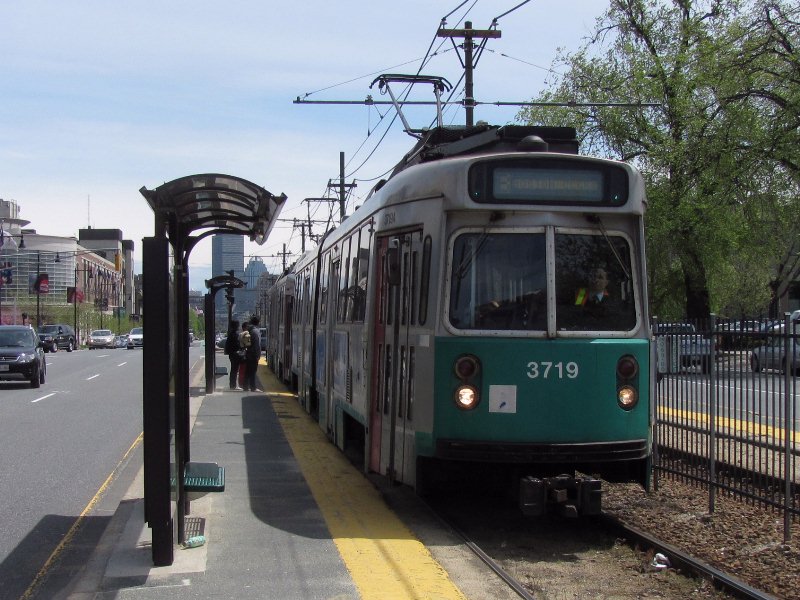
For a multi-model regional transit authority, we provided analytical and project support for a line manager who sought to accomplish two goals: eliminate several underutilized stops on a trolley line, and improve en-route timekeeping at key interchange stations. We identified the target stops to be eliminated using a composite scoring method on several criteria: daily patronage, distance to adjacent alternative stops, and proximity to major demand generators that serves limited-mobility populations. Stops that we identified were subject to a closure process beginning with six month temporary service suspension following public consultation. For on-time performance improvements, we designed schedule “paddles” similar to those carried by railroad enginemen in Asia, which provided quick reference of scheduled times at intermediate timing points. We also provided updated “simplifier” sheets to en-route supervisors (similar to a pre-printed train register), which made it easier for each supervisor to determine whether a trolley was running early or late at their location, or if an interval had been missed entirely by the departure terminal. The on-time performance initiatives proved too resource-heavy for production implementation, however, the elimination of underutilized stops did result in slight journey time improvements with minimal impact to total ridership.
Route Strategies for National Rail Infrastructure Operator
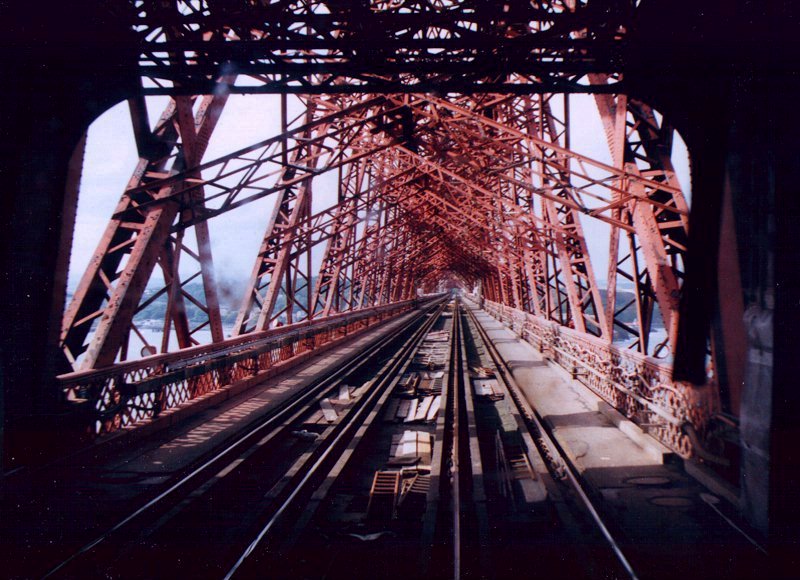 For a national rail infrastructure owner and operator, we provided analytical support to ascertain the various (route capability, route capacity, and journey time) impacts of investment in rail infrastructure on train operations. Our primary tasks included calibrating a sketch-level train-performance model using field-collected data and limited outputs from a more expensive engineering model; interpreting prevailing signalling rules and achieving an understanding of existing hardware to ascertain maximum practical and theoretical line capacity; conceptual design of alternatives for infrastructure alterations to relieve identified bottlenecks; and cash flow analyses to ensure that the proposed enhancement schemes fit within the envelope of available budget. Some of the ideas we identified have resulted in investment, although not always in the form initially envisaged. The strategic route investment planning process continues on a cyclical five-year basis.
Related Publications/Presentations:
- Network Management Statement (incorporating Route Strategy for Scotland Zone)
Signal Employee Tenure Analysis and Succession Planning

In response to a suggestion that succession planning within the Signal discipline may be an issue at one unionized transit property, we were tasked to determine the nature of the shortage and how this issue could be addressed. We examined various data sources including history of bidding and bumping, seniority lists, promotional paths, personnel action reasons, and headcount trends, and interviewed many subject matter experts (SMEs) who have day-to-day responsibilities in these areas. What we discovered was a complex picture of many different factors that contribute to this perception: at the less technical grades, training of replacement workers was keeping up with demand but there is a constant churn of personnel due to this disciplines being particularly desirable candidate for positions in other crafts with higher remuneration but requiring similar skillsets and having comparable responsibilities. Additionally, due to the general decline in quality of skilled craft training in the education marketplace, the hiring process, and low initial pay under a step system, new recruits were having a more difficult time passing the required tests, resulting in a higher failure rate. There was some movement resulting from desire to work closer to home early on in their career, but these employees, once settled down, tend to stay within their districts. At the higher technical level, there were fewer positions and they tended to be populated by high seniority employees because they are desirable positions, as a result many employees at this level have few years left to serve once they had attained these positions and completed the necessary complex technical training; therefore the retirement of each senior and highly technical employee is more noticeable to those who are responsible for ensuring that the work is covered. Our recommendation was to continue to train at the less technical level and simply create a pipeline of eligible candidates, whereas increase the position count at the higher technical levels both to provide a larger pool of qualified workers and to provide more opportunities/incentives for mid-career employees to stay within the discipline. This would also have the incidental benefit of reducing overtime costs and potential employee burn-out at the highly technical level.
Signal Control Centre Maintenance Staffing Assessment
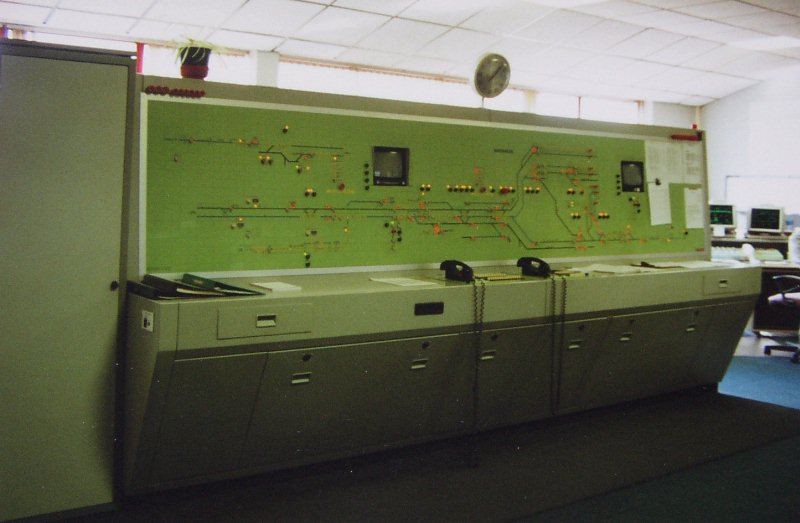
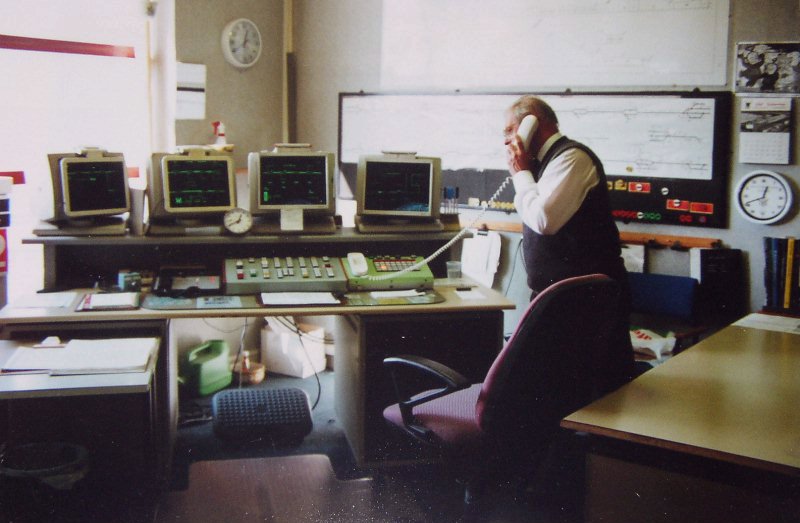 This was a challenging manpower assessment project that was difficult to perform using traditional industrial engineering methodologies due to the highly specialized nature of maintenance crafts within a control centre. The maintenance crafts were divided into different specialities where although the core skills were somewhat similar, the specific knowledge, high level of accuracy, and low latency required for attending to emergency situations essentially alone meant that it was not really possible to cross-train these highly technical employees to cover one another’s jobs. The “emergency response” nature of their jobs also meant that there will necessarily be downtime within their day if no technical faults were reported on their shift. It was simply not possible to enumerate all tasks performed and probability of having to perform that task on a given shift. We took an approach that assessed their “base workload”, that is, tasks related to preventative maintenance, and using probabilities of failures informed by historical failure data we added in the employee-hours required for emergency response, then we assigned the shifts and locations such that as much coverage was provided as possible given the resourcing constraints by assigning the preventative tasks across multiple shifts and at multiple locations (where feasible). Our analytical results formed the basis for justifying an expansion in the planned staffing levels in these highly technical disciplines because we were able to demonstrate that these sophisticated control systems required this level of manning for proper maintenance and incident coverage.